
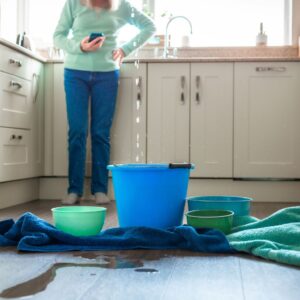
In North and South Carolina’s warm, humid climate, water & mold damage restoration means working fast — mold often starts to spread before the last puddle dries out. Once it takes hold, cleanup becomes more invasive, repairs grow costlier and hidden moisture and structural issues surface in places you’d never expect.
At East Coast Restoration & Renovation, we see how quickly a simple water incident can trigger major issues for local homeowners. Every step below reflects what actually helps protect a Carolina property before mold has a chance to settle in.
Why mold damage is often more serious than water damage itself
Most people expect water to be the main problem after a leak, but mold damage often leaves more lasting effects. Mold spreads fast through walls and flooring, breaking down surfaces and weakening their structural integrity. This creates ideal, hidden conditions for new mold colonies to form even after the visible water is gone — the core of hidden problems caused by water damage.
Large patches of mold can trap moisture inside building materials, making it harder for them to dry and setting up a cycle where both mold and moisture keep spreading. According to the EPA, mold can begin growing within 24–48 hours after water damage and continues to damage your home as long as damp conditions persist.
This is why water & mold damage restoration becomes more complicated and expensive when mold is left untreated. Airborne spores also increase health risks for anyone living in the home. Addressing hidden water damage early is key — mold is never just a surface problem.
What types of water damage tend to cause mold growth
Certain types of water damage almost always lead to mold problems — especially in Carolina homes where heat and humidity work against you year-round. Water damage restoration experts most often see these scenarios:
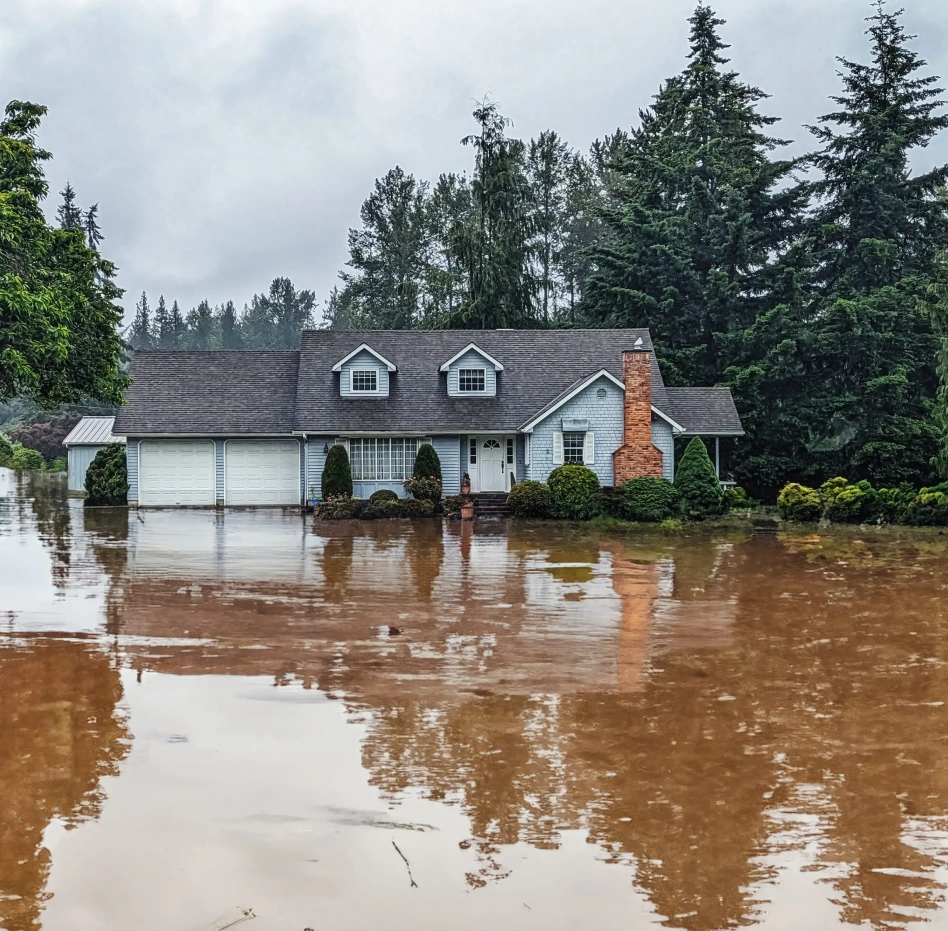
- Floods and sewage backups. Water from storms or broken sewer lines brings in bacteria and debris. This contaminated moisture is perfect for mold to thrive and quickly overwhelms basic water damage restoration service efforts.
- Slow, hidden leaks. Drips from pipes inside walls, leaking roof flashing, or faulty seals under sinks often go undetected for weeks. This is a main reason for hidden moisture and structural issues after water damage — and a frequent call for emergency water damage restoration experts.
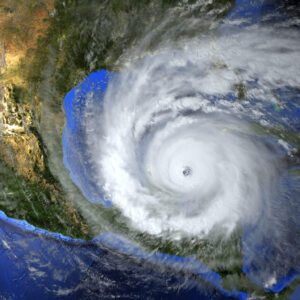
- Widespread storm or hurricane damage. Heavy rains and hurricanes deeply saturate drywall, wood, and insulation, raising indoor humidity for days. Mold takes hold fast in these damp environments.
- Incomplete drying. Any water damage repair and restoration expert will confirm — if building materials aren’t fully dried within 24–48 hours, mold risk spikes. Even after a minor leak, slow drying leaves you with hidden water damage that can turn into a bigger issue.
With frequent hazards that can damage property in North and South Carolina, local homeowners are no strangers to mold outbreaks and calls for emergency water damage restoration specialists.
Types of mold that can grow in a house after water damage
Several molds show up after water damage. Here’s what water damage restoration experts in Carolina homes find most often:
- Cladosporium. Green or brown spots on damp wood, fabric, or around windows — often the first sign that home water damage restoration is needed.
- Penicillium and Aspergillus. Blue, green, or white growths on insulation, carpet, or wallpaper. Some species are known to produce toxins (mycotoxins), making professional water damage restoration service especially important.
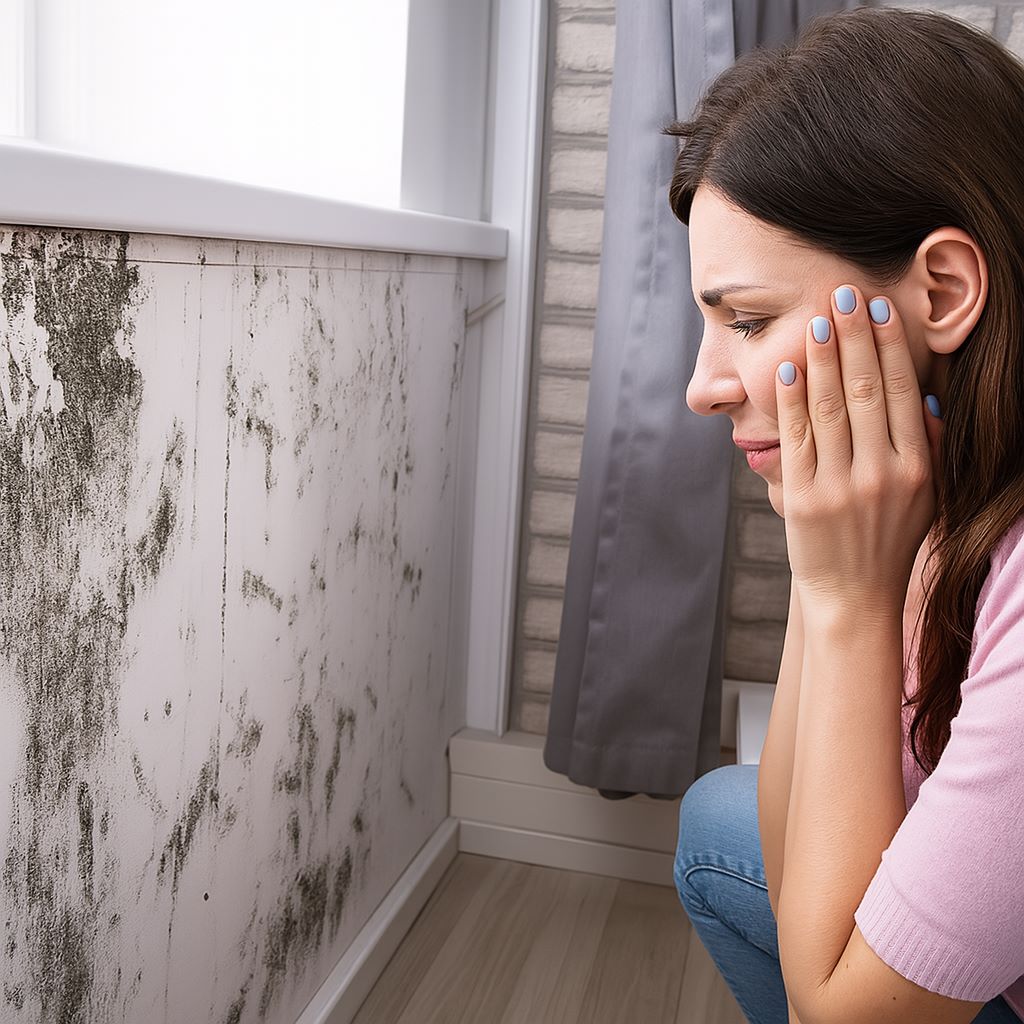
- Stachybotrys chartarum (“black mold”). Dark, slimy, and dangerous. This kind thrives with ongoing leaks in drywall, ceiling tiles, or cardboard, and always calls for professional water & mold damage restoration because of serious health risks.
No matter the type, mold spreads fast and brings extra risk for hidden problems caused by water damage — so quick action from the experts always matters.
What mistakes in water damage restoration cause hidden mold damage
Cutting corners is what allows hidden water damage and mold to take over. The most common mistakes are:
- Drying only the surface. Moisture stays trapped inside walls and floors, creating perfect conditions for mold.
- Rebuilding too soon. Sealing up damp materials or painting before everything is dry just locks in future problems.
- Ignoring hidden moisture and structural issues after water damage. Skipping thorough moisture checks can leave entire areas at risk.
- Missing warning signs. Signs you might have hidden water damage often appear long before visible mold, so knowing what to look for is crucial.
These mistakes are why it’s important to trust experienced water damage restoration specialists who know how to find and fix hidden problems caused by water damage — not just what’s on the surface.
Immediate actions to take to prevent the mold growth
Quick action is the only way to keep a small water problem from turning into a major mold outbreak. Our emergency water damage restoration experts recommend the following steps as soon as you notice water damage:
- Stop the source and shut off power if it’s safe.
- Extract standing water with pumps or a wet/dry vacuum.
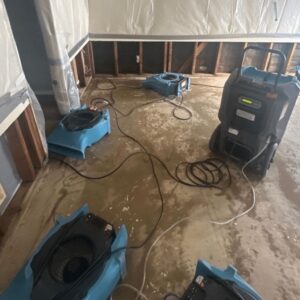
- Begin drying immediately — open windows, use fans and dehumidifiers, and remove soaked materials like carpets or drywall within 24–48 hours. For severe cases, water damage restoration repair experts use industrial equipment to save structural materials.
- Lower indoor humidity below 60% as quickly as possible.
Fast response and a trusted water damage restoration service can make the difference between a quick fix and a months-long repair.
Where to look and check for mold in your house
Mold rarely grows out in the open. The first places to check are where moisture tends to linger out of sight: under sinks, behind baseboards, inside wall cavities or beneath flooring. Attics, crawl spaces, and HVAC systems are common problem areas, especially in coastal cities where humidity is high.
If you live in a flood-prone region or a humid location like Charleston, emergency damage restoration inspection often involves checking hidden corners, previously repaired spots or hidden moisture and structural issues after water damage for new mold growth. Any musty odor or visible spotting should prompt a closer look.
How often to check the house for mold infestation
Routine checks prevent small problems from growing unnoticed. Inspect for mold after any significant leak, flood, or plumbing issue. Homes in the Carolinas benefit from a full walkthrough at least twice a year — typically in the spring and fall, when humidity and rainfall are highest.
Anytime you notice a musty smell, new stains, or a spike in allergy symptoms, don’t wait: early attention from water damage restoration experts helps avoid bigger repairs. Find a trusted water damage restoration service near you for peace of mind.
Is it possible to remove the mold completely if it has already spread?
Complete mold removal is possible, but only when all affected materials are properly treated or replaced. Water damage restoration and repair experts use specialized tools and methods — like HEPA filtration, antimicrobial cleaning and targeted removal of contaminated drywall or insulation — to make sure no active spores remain.
Simply cleaning visible mold with household products rarely solves the problem. If colonies have spread into wall cavities, floors, or HVAC systems, only professional water & mold damage restoration ensures your home is safe and future growth is prevented.
For homeowners in the Carolinas, fast action and experienced water damage repair and restoration experts are the best way to get lasting results.
Why East Coast Restoration & Renovation is the best choice
Our water damage restoration service goes beyond basic cleanup. Every project starts with thermal imaging and pin-probe testing to locate hidden moisture and structural issues after water damage — not just what’s visible. We don’t consider a job finished until moisture readings in structural materials are below 12%, a target we meet on nearly every job, even after major Carolina storms.
All work is handled by IICRC-certified technicians with real experience in our region. You get a detailed report for your records, fast timelines, and a clear warranty — plus support with insurance documentation if you need it.
Contact East Coast Restoration & Renovation when you want more than a temporary fix.
Conclusion
Unchecked leaks and mold never resolve on their own — they spread and cause new, costly problems. Now you have a checklist for prevention, but when cleanup gets complicated, rely on proven water damage restoration experts who guarantee results you can measure.
East Coast Restoration & Renovation delivers thorough water & mold damage restoration — from fast emergency response to the final moisture test — restoring Carolina homes and preventing repeat damage long-term.
Did your property suffer from damage?

Our Services
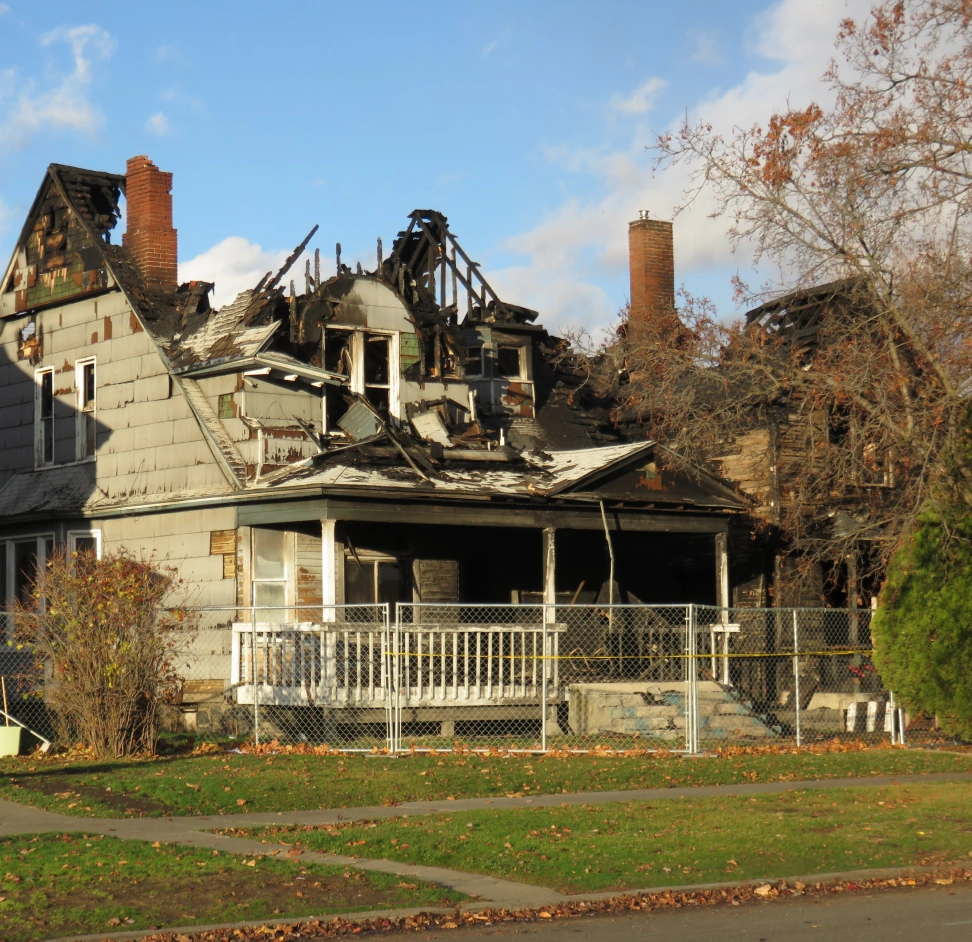
Fire Damage Restoration
Learn More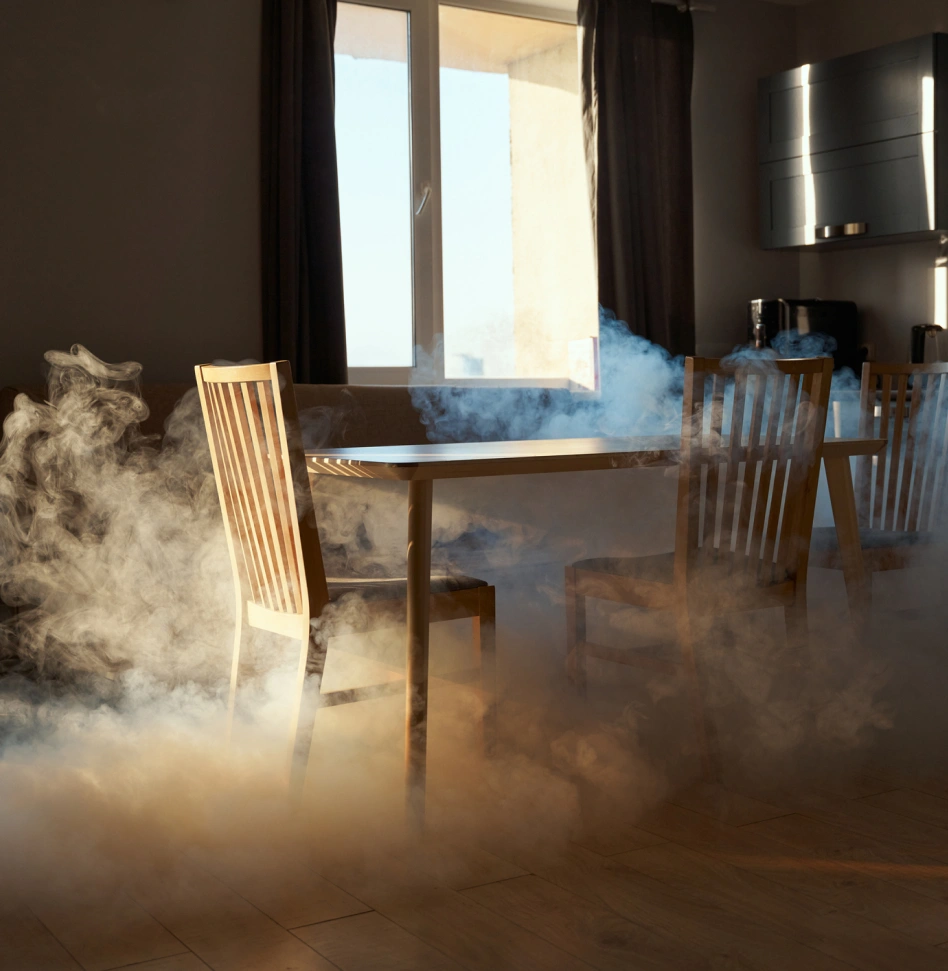
Smoke Damage Restoration
Learn More