
The Atlantic hurricane season has officially begun, raising concerns for homeowners across coastal regions. Each year, the tropical Atlantic hurricane season brings the risk of strong winds, heavy rainfall, and flooding that can severely damage property. Even when storms don’t make landfall, the effects of a single system can leave behind lasting destruction. This article will explain what the Atlantic hurricane season means for your home, how it typically develops, and why it’s important to stay alert even after November. We’ll also look at what makes this season different, and how to prepare before it’s too late.
When is the Atlantic hurricane season in 2025
When is the Atlantic hurricane season in 2025? Like every year, it officially runs from June 1 through November 30. However, it’s important to understand that hurricanes can still form after the official end of Atlantic hurricane season in November, especially during years of heightened ocean temperatures and unstable atmospheric conditions. While these out-of-season storms are less common, they’re not unheard of—and they can still cause serious damage. That’s why monitoring Atlantic hurricane season activity closely, even in late fall, is essential for staying protected and prepared.
Atlantic hurricane season forecast in 2025
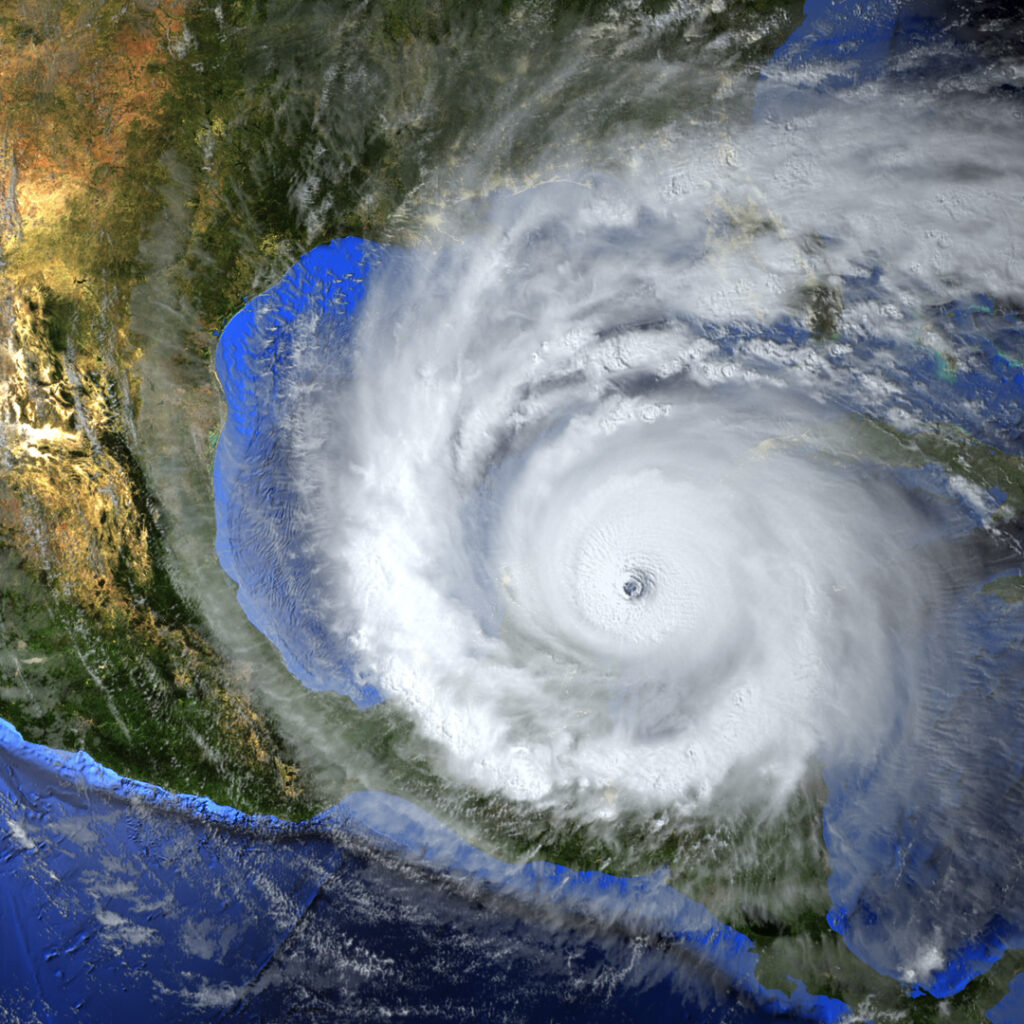
The 2025 Atlantic hurricane season is shaping up to be anything but ordinary. Multiple forecasting agencies—including NOAA, AccuWeather, and Colorado State University—agree: this year will bring an above-normal level of storm activity. That means more named storms, more hurricanes, and a higher risk of rapid intensification near landfall. For homeowners and businesses across North and South Carolina, it’s not just a coastal concern—strong inland impacts are also expected.
Here’s what current Atlantic hurricane season forecast models are showing:
- 13 to 19 named storms
- 6 to 10 hurricanes
- 3 to 5 major hurricanes (Category 3 or higher, with sustained winds of 111 mph or more)
One growing concern is the increasing number of storms that reach peak intensity quickly. Rapid intensification has become more frequent, often giving little time to respond. In practical terms, that means even those outside traditional coastal danger zones should prepare. During the last tropical Atlantic hurricane season, storms like Helene proved that devastating rainfall and wind can reach deep inland, as Western North Carolina experienced extreme flooding and damage far from the shore.
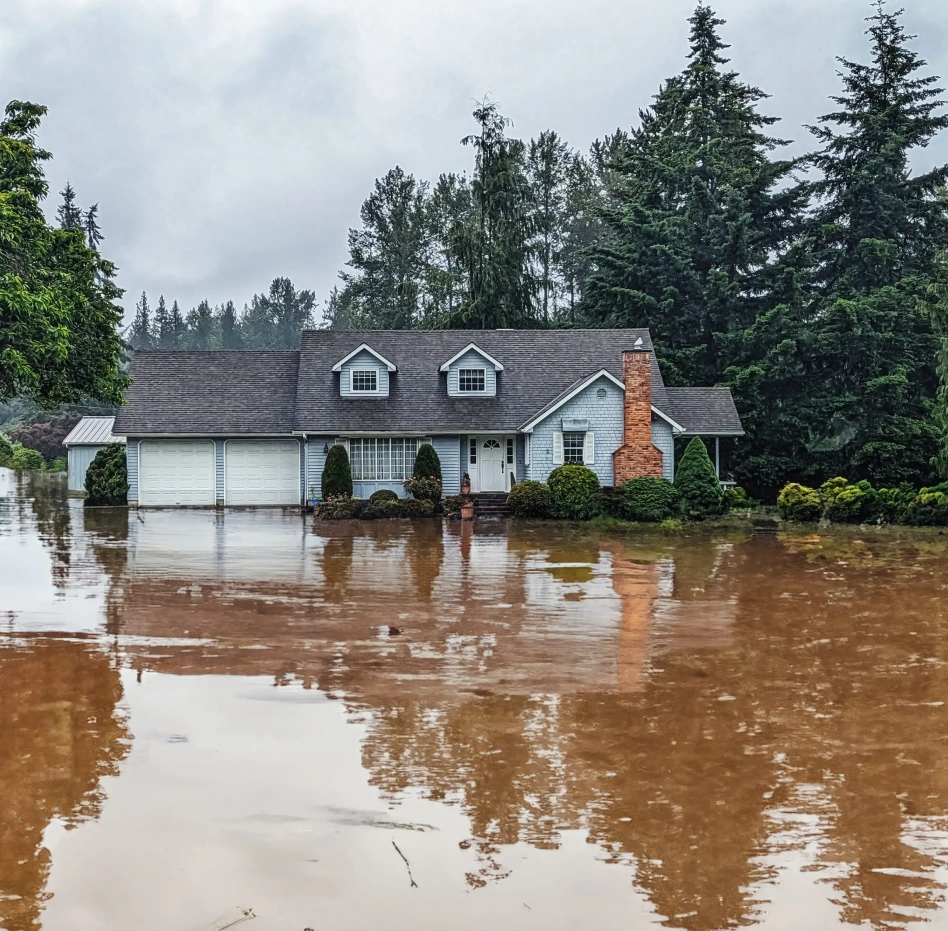
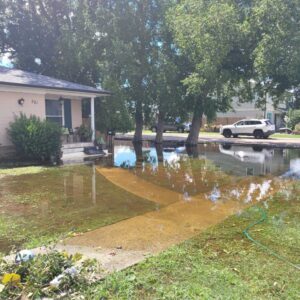
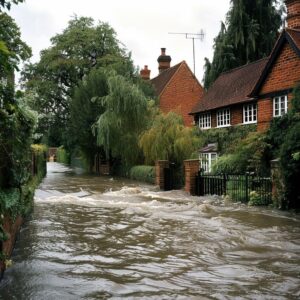
Flood risks this season are expected to be higher than normal. NOAA’s outlook points to increased rainfall across the Carolinas, raising the chances of flash floods and prolonged water damage. For those living along the coast, the threat isn’t limited to storm surge—significant flooding can occur due to strong onshore winds or nearby cyclones, even when tides are within usual ranges. That makes preparation vital, especially in regions where tide gauge predictions no longer match the severity of real flooding events.
Flooding is expected to be a major concern during the 2025 Atlantic hurricane season. Heavy rain from storms can cause flash floods and runoff right away, while rivers may overflow days later, leading to a second round of flooding. This kind of double impact has happened before and can be just as damaging as the storm itself. In coastal areas, flooding can still happen even without high tides if strong winds or a nearby Atlantic hurricane season disturbance push water inland.
What factors are contributing to the Atlantic hurricane season activity
Several conditions are coming together that make the tropical Atlantic hurricane season more likely to produce frequent and intense storms. Here are the main reasons behind the increased storm risk:
- Unusually warm Atlantic Ocean temperatures. Warmer ocean water provides more energy for storm formation and allows hurricanes to grow stronger and faster. This is a key driver of both storm frequency and intensity.
- ENSO-neutral conditions. When neither El Niño nor La Niña is present, it’s called ENSO-neutral. These conditions typically reduce wind shear, which means storms in the Atlantic hurricane season can form and strengthen more easily.
- Northward-shifted West African Monsoon. The West African Monsoon helps generate tropical waves, which often turn into storms. A northward shift in this system increases the chances of those waves developing into powerful hurricanes in the Atlantic.
- Ongoing high-activity era in the Atlantic Basin. We’ve been in a phase of increased storm activity for years. This pattern continues in 2025, supporting more frequent and intense Atlantic hurricane season development across the region.
These elements combined explain why the Atlantic hurricane season forecast for 2025 is showing above-average storm activity—and why early preparation is more important than ever.
How to prepare property for the Atlantic hurricane season
Preparing your home before a storm hits is one of the best ways to reduce the risk of serious damage. With the 2025 Atlantic hurricane season expected to be more active than usual, property owners should take extra care to protect what they can. The steps below can help minimize the impact of high winds, heavy rainfall, and other dangers common during the hurricane season Atlantic.
- Inspect and secure your roof. Loose shingles, weak areas, or aging materials should be repaired before storms arrive. A damaged roof is one of the most common causes of interior water intrusion during a hurricane.
- Clear gutters and drains. Blocked gutters can lead to water pooling around your home and leaking inside. Proper drainage helps reduce the risk of flooding during intense storms.
- Trim trees and remove loose items outdoors. Branches hanging close to your house can snap and cause damage in strong winds. Move or secure outdoor furniture, tools, and other objects that could become projectiles.
- Install storm shutters or board up windows. Broken glass is dangerous and allows rain to pour in. Protect your windows early to avoid last-minute rushes when Atlantic hurricane season warnings are issued.
- Check your sump pump and backup systems. If your home is prone to water buildup, test the sump pump and consider installing a battery backup. Power outages are common during hurricanes, so having systems that continue to work is critical.
- Know who to call for help after the storm. Look up reliable flood damage restoration contractors in advance—just in case. Having a professional lined up can speed up recovery if your home is affected by flooding or water intrusion.
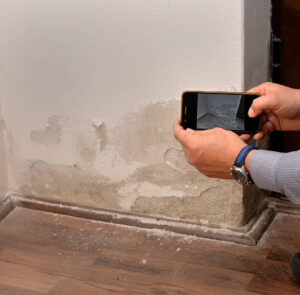
- Review your insurance coverage. Make sure your policy includes flood protection and covers potential storm damage. Document your property with photos for easier claims processing.
Taking these steps now, while the Atlantic hurricane season development is still in progress, can make a real difference in protecting your home—and recovering faster if damage does occur.
East Coast Restoration and Renovation can help with the consequences of the Atlantic hurricane season
At East Coast Restoration & Renovation, we’re here to support homeowners facing the aftermath of the Atlantic hurricane season. From emergency storm damage restoration and flood cleanup to full-scale renovation projects, our team is equipped to handle the impact—no matter how severe. If your property is affected by high winds, heavy rain, or an unexpected Atlantic hurricane season disturbance, you don’t have to face the recovery alone. Reach out to us for fast, professional help when it matters most—because when the tropical Atlantic hurricane season leaves its mark, we’re ready to restore and rebuild.
Conclusion
As we move through the 2025 Atlantic hurricane season, staying prepared and informed is the best defense against unexpected damage. While the outlook points to increased Atlantic hurricane season activity, taking the right steps now can protect both your home and your peace of mind. From early preparation to knowing who to call after a storm, every detail matters—especially in an active tropical Atlantic hurricane season. At East Coast Restoration & Renovation, we hope you and your property make it through this hurricane season Atlantic safely, without facing any damage. Stay alert, stay ready, and may this season pass without hardship.
Did your property suffer from damage?

Our Services
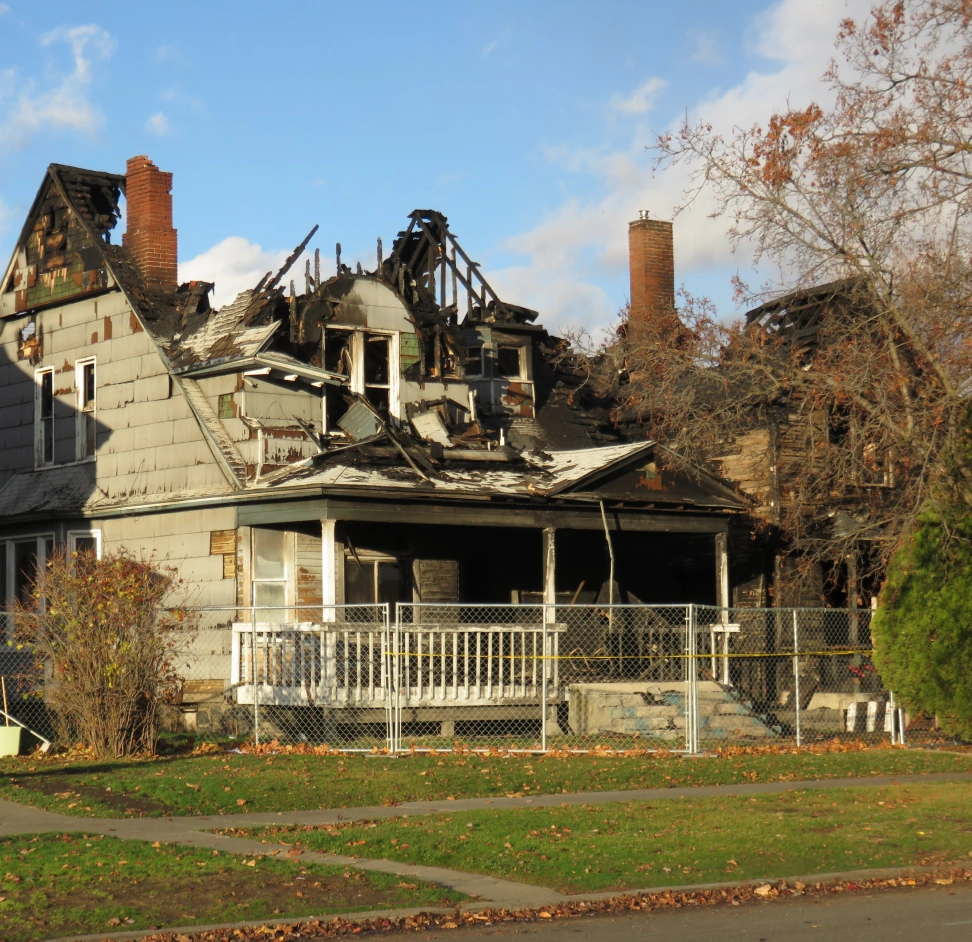
Fire Damage Restoration
Learn More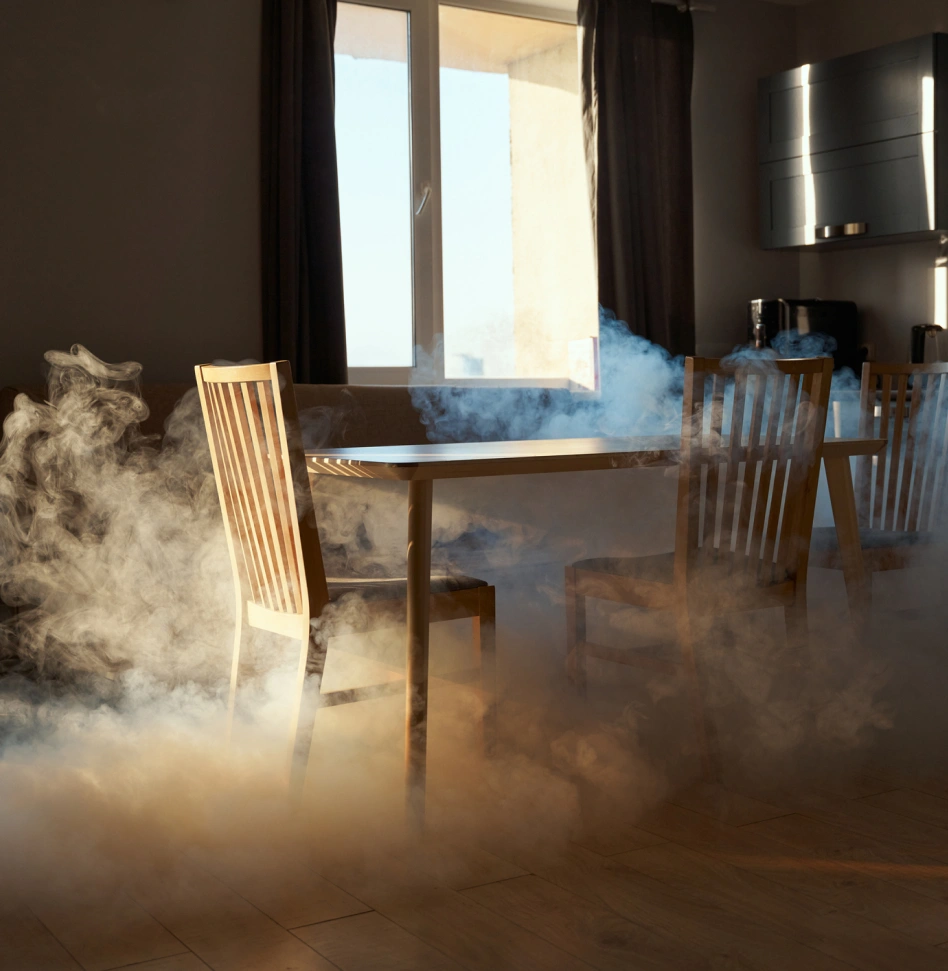
Smoke Damage Restoration
Learn More