
Water damage rarely starts with a flood — it begins with something small. A loose seal behind the washing machine. A pipe that rattles once too often. A tenant who doesn’t mention a damp patch until the floor starts buckling. In rental properties across North and South Carolina, these minor oversights can lead to major costs — and even bigger arguments over who should pay.
The answer isn’t always clear. Whether it’s a sudden leak or slow seepage, responsibility often comes down to the details in your lease and how your water damage insurance coverage is written. In this guide, we’ll clarify what’s covered, what’s not and how both landlords and tenants can protect themselves long before they hear water dripping behind the wall.
What Qualifies as Water Damage?
When it comes to insurance, how water gets into the property — and how quickly — matters more than how much there is. That simple distinction often decides whether your water damage insurance claim will be paid or denied.
Most insurers recognize two main types:
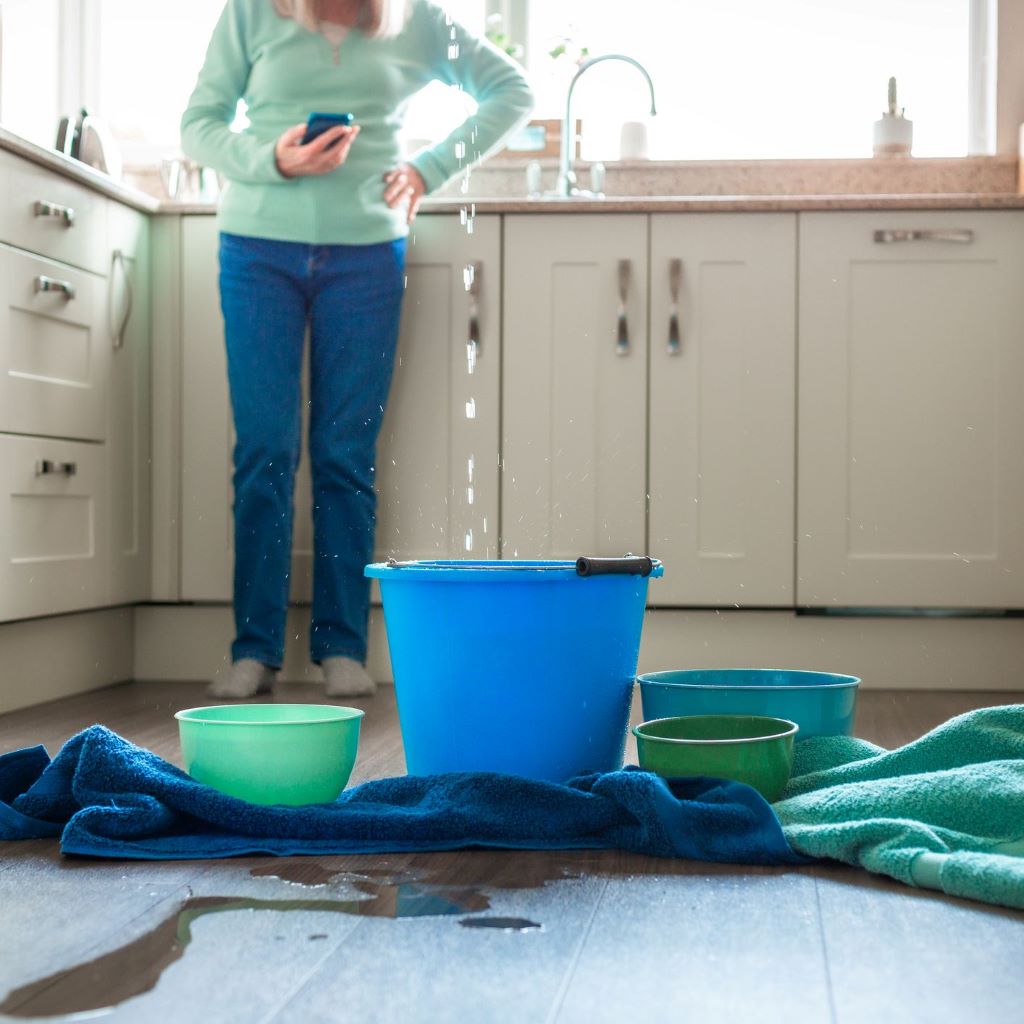
- Sudden and accidental damage includes pipe bursts inside walls, unexpected appliance hose failures, or storm-driven water entering through damaged roofing. These situations are typically covered under standard water damage insurance coverage.
- Gradual or preventable damage — like long-term roof seepage, slow leaks under sinks, or condensate line issues — is usually excluded. Unless your policy includes limited water damage coverage, these losses are considered the result of poor maintenance.
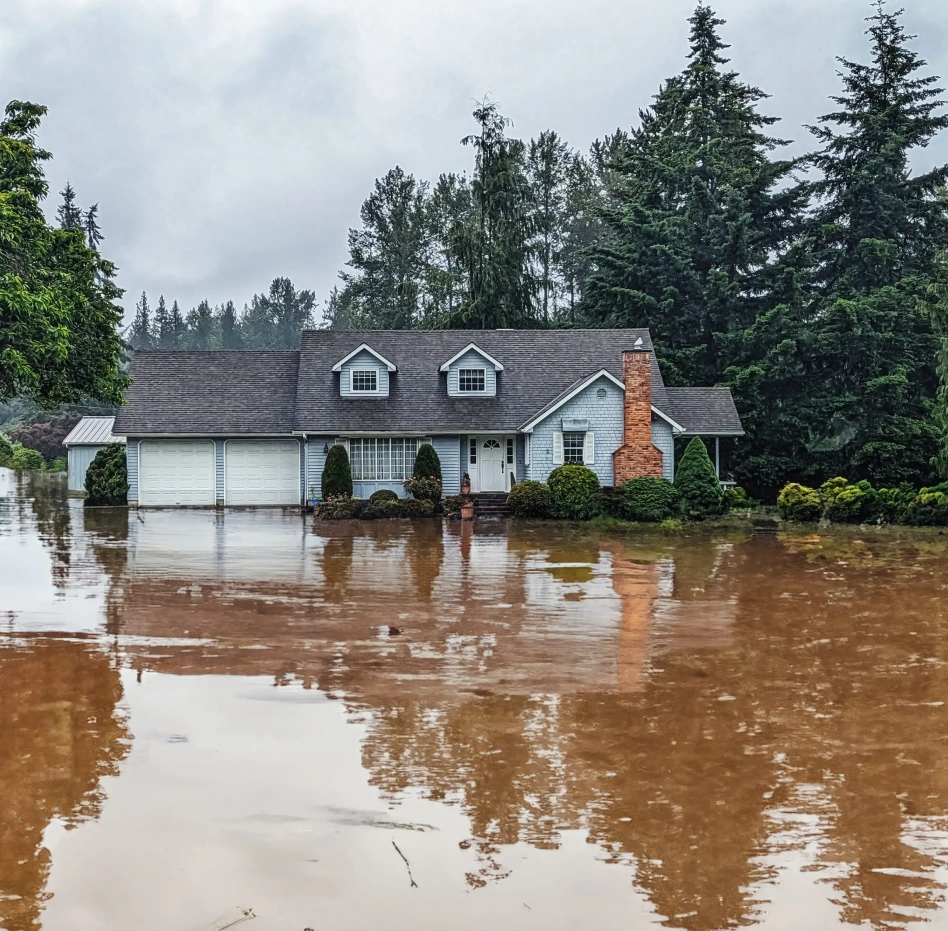
- Another key exclusion is external flooding. Water from rising groundwater, storm surges, or street runoff isn’t covered by typical homeowner or landlord policies. These events require separate FEMA-backed flood insurance, even if the damage appears suddenly.
As the Insurance Information Institute explains, most policies only apply when the damage is “sudden and accidental.” That rule holds whether you’re a property owner or filing a renters’ insurance water damage claim for your personal items.
Acting fast and getting a professional assessment could mean the difference between receiving the average insurance payout for water damage or nothing at all.
Landlord Insurance Coverage for Water Damage
A standard landlord insurance policy is designed to protect the structure of the rental, not the tenant’s belongings. When water damage occurs, the outcome depends on the source of the leak and the scope of your landlord insurance coverage.
Most policies will cover sudden and accidental events like burst pipes, roof leaks from storm damage, or appliance malfunctions — provided the building was properly maintained.
But if damage stems from long-term neglect, does landlord insurance cover water damage? In most cases, it does not.
For example, if a known roof issue is ignored and causes ceiling collapse, the insurer can deny the claim based on negligence. That’s where exclusions and policy fine print matter.
To avoid costly surprises, it’s essential to review what your landlord’s property insurance actually includes. Some carriers offer optional add-ons, like limited water damage coverage or sewer backup protection, which may be crucial in older buildings.
Need help understanding your policy or recovering from a covered event? Our water damage restoration service works directly with insurers and helps landlords document losses the right way — from day one.
Will Renters’ Insurance Cover Water Damage?
Renters’ insurance (HO-4) is designed to cover personal property, not the building itself. But when water damage strikes, that line can blur.
In general, will renters’ insurance cover water damage to your furniture, electronics, or clothing? Yes — if the source is sudden and accidental. That includes things like a pipe burst in the wall, water overflowing from the upstairs unit, or a leaking appliance hose.
However, renters’ insurance water damage coverage usually excludes gradual leaks, flooding, or anything caused by the tenant’s own negligence. For example, if you ignore a slow drip under the sink and mold spreads, your insurer may refuse the claim.
Keep in mind that renters’ insurance and water damage also include coverage for additional living expenses if your unit becomes temporarily uninhabitable.
Still unsure what your policy covers? Our FAQ on water damage coverage breaks it down in simple terms.
When Is the Tenant Responsible for Water Damage?
Under the North Carolina landlord statutes and the South Carolina Residential Landlord-Tenant Act, tenants are required to “keep the premises clean and safe.” If water damage results from a tenant’s actions — or failure to act — they may be held financially responsible.
Common examples include:
- letting a bathtub overflow,
- disabling a washing machine’s safety shutoff,
- ignoring a slow leak under the sink until mold develops.
In these cases, tenant insurance (HO-4) may cover damaged personal belongings, but not structural repairs. And if the tenant failed to report the issue promptly, the insurer may deny the claim altogether.
To avoid that outcome, follow essential water damage insurance claim tips: shut off the source, document the damage immediately, and notify the landlord in writing. A delayed response can turn a covered event into a denied one, leaving you without valid insurance coverage for water damage and fully liable for repairs.
When Is the Landlord Responsible for Water Damage?
Landlords must keep roofing, plumbing and weatherproofing in good repair. If a leak occurs because the property wasn’t properly maintained — or the owner failed to act after written notice — the repair costs fall on the landlord. In those cases, payment usually comes from water damage home insurance or the broader water damage coverage section of a DP-3 policy.
For instance, a roof leak reported months earlier that finally collapses the ceiling is owner liability. So is a pipe that bursts after repeated warnings about low winter temperatures in vacant units. Landlords should keep a detailed water damage insurance claim list — photos, invoices and inspection notes — to streamline future water damage insurance claims and answer the adjuster’s inevitable question: is water damage covered by insurance when maintenance was overdue?
More policy details—and how exclusions apply—are explained in our guide on homeowners insurance and water damage.
How to Minimize Possible Water Damage?
Preventing water damage requires proactive effort from both landlords and tenants. While causes often seem sudden, most incidents are avoidable with routine attention and proper safeguards.
Landlords should inspect roofing, plumbing and HVAC systems annually. Replacing worn supply lines, installing smart leak detectors, and insulating pipes in unheated areas help reduce the risk of internal failures. In older buildings, it’s worth reviewing your landlord’s home insurance to see whether it includes limited water damage coverage or sewer backup protection.
Tenants can prevent damage by reporting leaks early, keeping heat on during cold weather and watching for early warning signs — musty smells, soft flooring or stains. Failure to act quickly may not only worsen the damage, but also affect the outcome of any future water damage insurance claims.
Small steps on both sides can stop a drip from turning into a major claim.
How to File a Proper Water Damage Insurance Claim
Timing and evidence determine whether a water damage insurance claim gets paid — or stalls. Follow these five steps to keep your case on track:
- Stop the loss and document it. Shut off water and power if safe. Photograph every room first, then close-ups of damaged materials. Keep samples, adjusters sometimes ask for physical proof.
- Notify your carrier immediately. Most policies require notice “as soon as reasonably possible.” Provide facts only — avoid guessing who is at fault.
- Request an independent estimate. A certified remediation contractor can corroborate the scope of work and prevent lowball assessments, improving your odds of getting insurance to pay for water damage at full value.
- Create a detailed water damage insurance claim list. Include model numbers, purchase dates, and receipts for every affected item, store the file digitally and in print.
- Track all mitigation costs. Dry-out equipment, plumber fees and temporary lodging often qualify for reimbursement under water damage insurance claim tips hidden in your policy’s Additional Living Expenses section.
A complete file — submitted fast — helps you recover closer to the average insurance payout for water damage instead of paying for repairs out of pocket.
East Coast Restoration & Renovation Can Help You with Water Damage
Water damage doesn’t wait — and neither do we. At East Coast Restoration & Renovation, we help property owners take control from day one. Whether you’re a landlord navigating a complex water damage insurance claim or a tenant unsure of your responsibilities, our team guides you through every step.
We don’t just clean up — we document, communicate with your insurer, and ensure repairs meet code. From burst pipes to roof leaks, we’ve restored hundreds of homes across the Carolinas, including Spartanburg.
Need help now? Our rapid response and experience with water damage restoration can make the difference between a denied claim and a full payout.
Conclusion
Water damage insurance claims are rarely straightforward, but with the right knowledge and the right partner, they don’t have to become disasters. By understanding who’s responsible, acting quickly, and documenting thoroughly, you protect your rights and your property.
And when is the time to act? East Coast Restoration & Renovation is ready to stand by your side — from first drip to final repair.
Did your property suffer from damage?

Our Services
Fire Damage Restoration
Learn More
Smoke Damage Restoration
Learn More