
If you’re a homeowner in North or South Carolina, you know that storms, hurricanes, and even everyday plumbing mishaps can lead to a lot of trouble beneath your feet. Water damage under flooring is more than just an eyesore—it can affect your home’s structure, air quality, and your family’s health. In this friendly guide, we’ll walk you through what to look for, common missteps, and how to decide between restoration and replacement. Let’s get your floors (and peace of mind) back in shape!
What is considered water damage under the flooring?
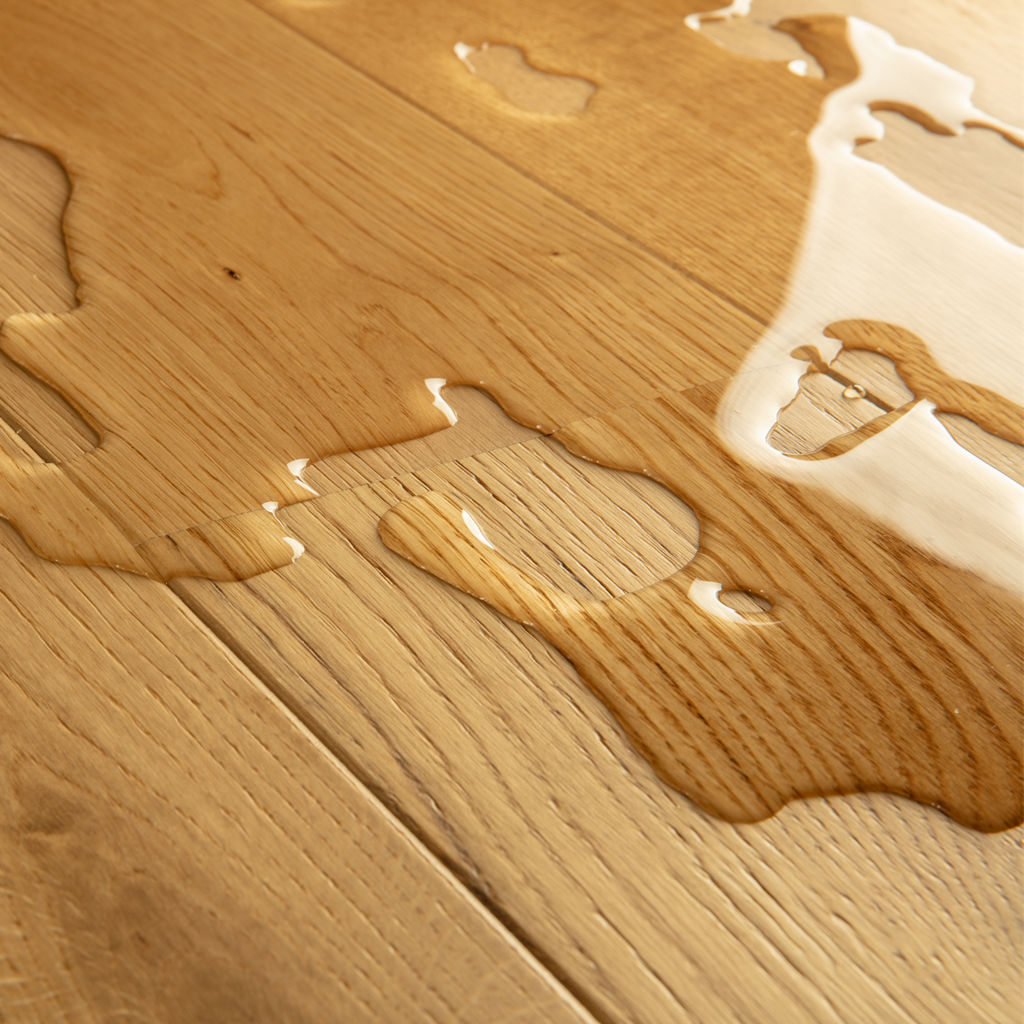
When we talk about water damage under flooring, we’re referring to any instance where unwanted moisture sneaks beneath your floors—hardwood, laminate, tile, or carpet—and starts causing trouble below the surface. It’s not always a dramatic flood; even a slow drip or lingering humidity can quietly chip away at the subfloor and introduce rot or mildew. The real headache comes when this dampness is hidden, making it easy to miss until things get serious.
Why hidden water damage poses serious risks
When floor water damage is out of sight, it’s easy to ignore. But trust us, the problems only grow. Moisture trapped beneath floors can:
- Weaken flooring and subflooring, causing costly repairs
- Lead to mold hardwood floor water damage, which can trigger allergies and respiratory issues
- Attract pests like termites and carpenter ants
- Lower your home’s value if not addressed early
If you suspect you have water under the basement or tile floor, acting fast can save you headaches and money down the line.
Early signs of water damage beneath floors
Knowing the early signs of water damage under the floor can help you catch problems before they spiral out of control. Here’s what to watch for:
Warped or uneven floorboards
If you notice your floorboards curling, cupping, or even buckling in spots, that’s usually water trying to make its presence known. These changes don’t happen overnight, but over weeks or months as moisture seeps beneath the surface. Hardwood and laminate floors are especially sensitive to this kind of trouble; they’ll start to warp or shift when they get wet underneath. It’s not just a cosmetic issue, either—warping can make your floors less safe and a lot less comfortable to walk on.
Soft or spongy spots underfoot
A soft or bouncy spot underfoot is one of those signs that’s easy to ignore at first, but it’s a big clue that water has gotten into your subfloor. You might notice it when you step in a certain place and the floor gives a little more than it should. Over time, this can get worse, making the area feel almost like a sponge when you walk on it. If you feel these spots, it’s worth checking out before the damage spreads and repair costs rise.
Musty or damp odors indoors
You know that earthy, musty smell that lingers in the air? That’s often a red flag that water and maybe even mold have been hiding out under your floor for a while. Sometimes you can’t see any damage, but the smell is there every time you walk in the room. It’s your home’s way of telling you something isn’t right beneath the surface. When in doubt, trust your nose and take a closer look.
Visible stains or discoloration on flooring
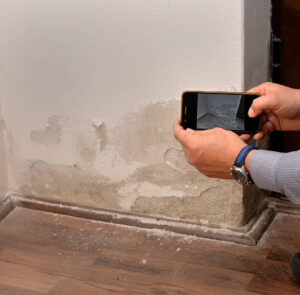
Stains or strange discoloration—whether they’re brown, black, or even white—are another sign that water has left its mark. You’ll often see them pop up near windows, just inside doorways, or around the base of your kitchen appliances. These marks can be subtle or obvious, but any new stain is worth paying attention to. It’s not always just dirt—sometimes it’s a warning that water is seeping in from somewhere it shouldn’t.
Mold growth along baseboards or seams
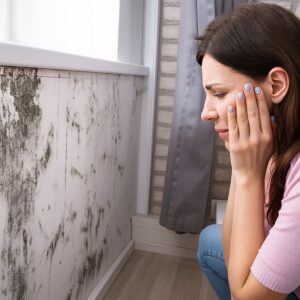
If you spot fuzzy patches, dark streaks, or little clusters of mold along the seams of your floor or creeping up your baseboards, it’s a sign that moisture has been around for some time. Mold doesn’t show up overnight; it takes persistent dampness to give it a foothold. Besides looking unsightly, mold can affect your indoor air and even your health. If you see it, it’s time to get serious about finding and fixing the source.
Increased humidity or condensation indoors
Have you noticed your home feeling unusually humid, or are your windows fogging up, especially in the basement or lower levels? These are subtle but important clues that water could be lurking out of sight. Sometimes, a slow leak or hidden puddle under your floor is the culprit. Don’t ignore changes in humidity—your house might be trying to tell you it’s time for a closer inspection.
Common causes of water damage under floors
Let’s get to the root of the problem. Typical reasons for floor water damage in the Carolinas include:
- Plumbing leaks (kitchen, bathroom, laundry)
- HVAC condensation
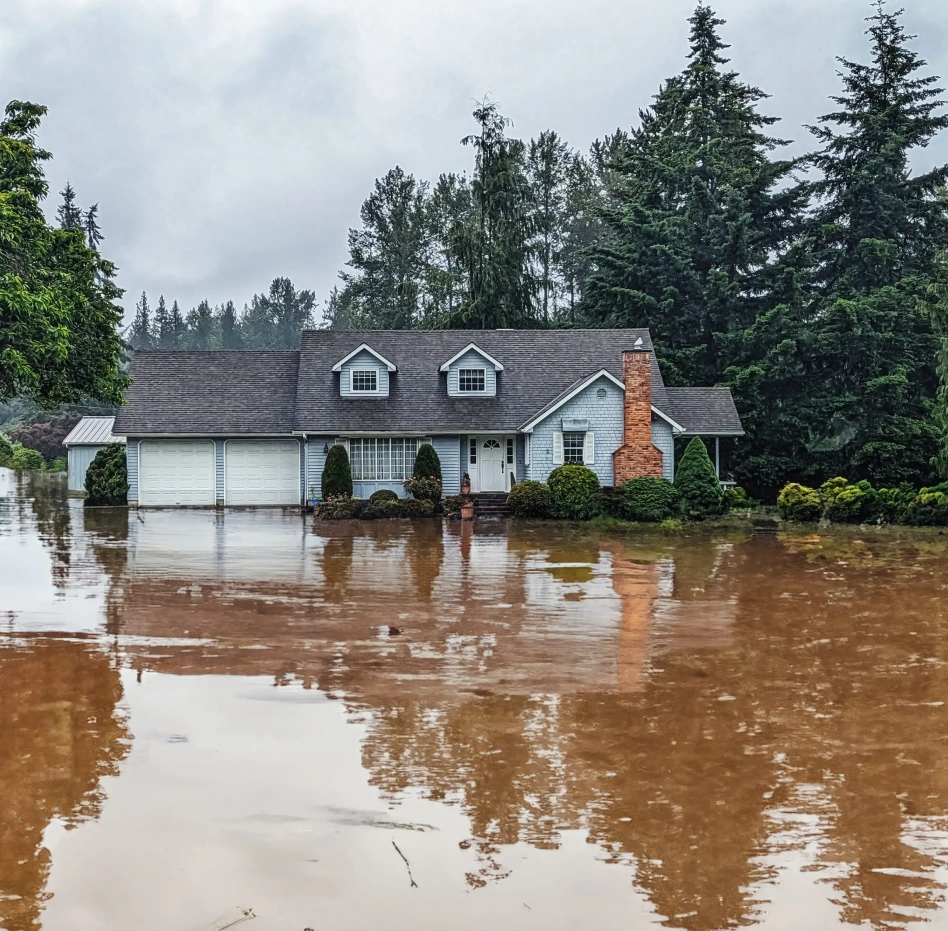
- Flooding from storms or hurricanes
- Poorly sealed windows and doors
- Appliance malfunctions (dishwashers, water heaters)
- Cracks in the foundation
Mistakes homeowners make when handling floor water damage
We get it—discovering water damage floor is stressful! But here are some common pitfalls to avoid:
- Ignoring the problem (hoping it’ll dry out on its own)
- Only treating surface symptoms (not drying the subfloor)
- Using household fans instead of professional-grade drying
- Overlooking signs of mold under hardwood floors
- Delaying calling a professional until the damage is severe
Trying to save on water damage floor repair costs can backfire if the issue isn’t fully resolved.
Professional steps to fix water damage under flooring
When it comes to floor water damage repair, here’s what the pros (like us!) typically do:
- Inspection & Moisture Mapping: Using moisture meters and infrared cameras to pinpoint the wettest spots.
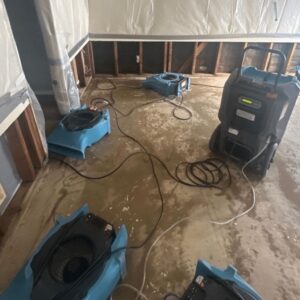
- Water Removal & Drying: Industrial pumps and air movers draw out as much water as possible, drying both surface and subfloor.
- Mold Remediation (if needed): If there’s evidence of water signs of mold under hardwood floors, a certified team removes affected materials and treats the area.
- Restoration or Replacement: If the structure is sound, restoration can save your original flooring. In severe cases, a full replacement may be needed.
East Coast Restoration & Renovation can restore your flooring and prevent future issues
Based right here in the Carolinas, our team at East Coast Restoration & Renovation has seen it all. We know how water under a laminate or hardwood floor can upend your life. Our goal? Restore your floors, save you money, and keep your home healthy.
Why choose us?
- Fast, friendly service from locals who care
- Advanced tools for moisture detection and drying
- Honest advice on water damage floor repair vs. replacement
- Guaranteed mold remediation services
We’re here to help you make the best decision for your family and your budget. Call us today and receive an emergency on-site estimation.
Conclusion
Water damage under the flooring is more common than you think in North and South Carolina. By spotting the signs of water damage under the floor early and getting expert help, you can avoid costly repairs and protect your home’s value. Whether you’re facing a minor leak or a major flood, remember: restoration is often possible, and replacement is only necessary for severe cases. Don’t wait—your floors (and your family) will thank you!
Did your property suffer from damage?

Our Services
Fire Damage Restoration
Learn More
Smoke Damage Restoration
Learn More