

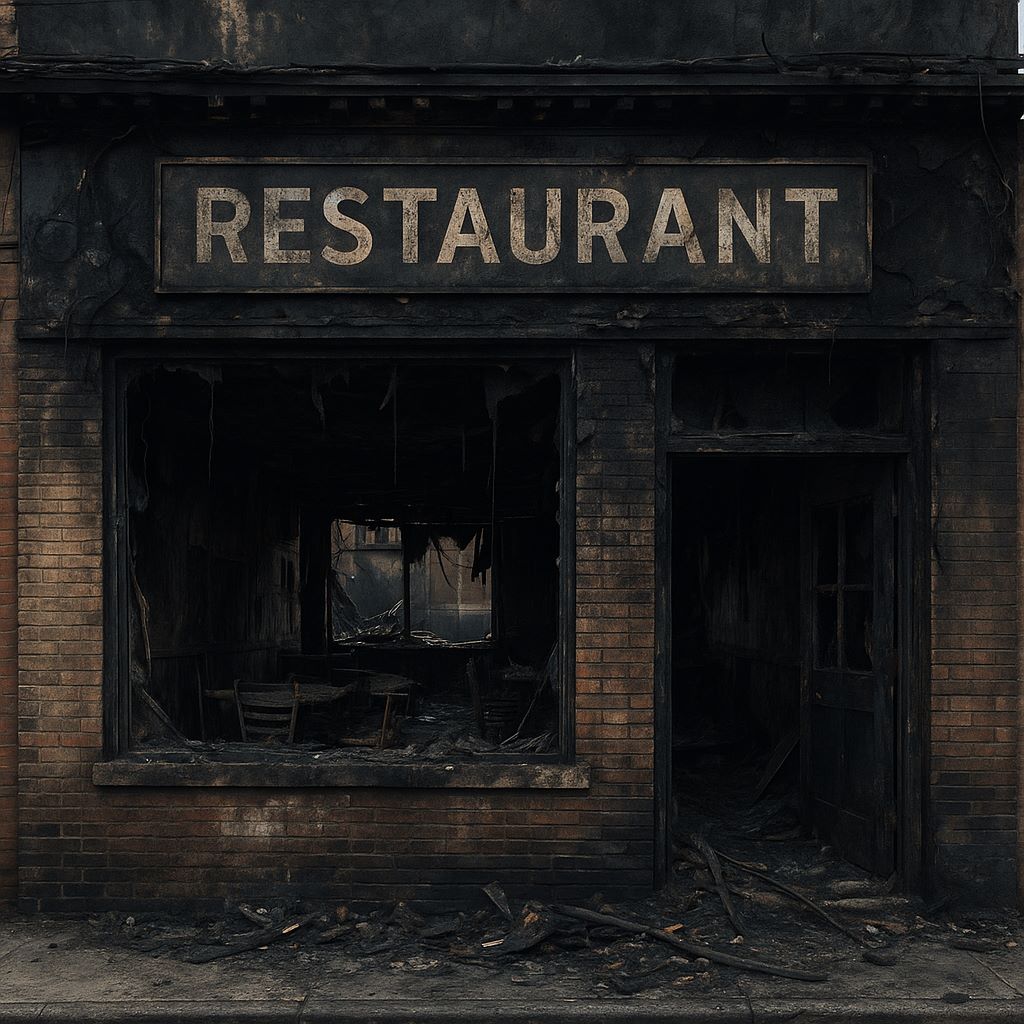

There’s no script for what comes next. One moment, everything is on schedule — the next, you’re facing decisions you never planned for. Vendors are calling. Staff have questions. The future feels uncertain.
That’s where a clear path forward makes all the difference.
At East Coast Restoration & Renovation, we help restaurant owners in North and South Carolina move from disruption to action — quickly and professionally. In this guide, we’ll walk you through the essentials of restaurant fire recovery: how to document the damage, choose the right partners, and restore your restaurant with speed and care.
And as highlighted by the National Restaurant Association, having the right steps in place early can help protect your team, your business, and your reopening timeline.
Let’s start with what matters most — and build from there.
Main consequences of kitchen fire damage in restaurants
The visible aftermath of a kitchen fire is only part of the story. Smoke, heat, and water can affect systems far beyond the burn zone, often in ways that delay reopening or create long-term risks.
Here’s what typically needs attention during a proper commercial fire damage restoration:
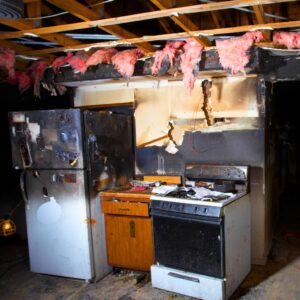
- Contaminated equipment. Smoke and grease seep into ovens, refrigerators, and prep surfaces, making them unsafe without deep decontamination or replacement. Delays in kitchen fire repair can lead to corrosion and health-code violations.
- HVAC cross-spread. Odors and toxins travel through ductwork, leaving smoke damage in unexpected zones — from restrooms to storage — especially if ventilation stayed active during the fire.
- Electrical system damage. High heat can melt wiring insulation or compromise junction boxes. These issues often go undetected until equipment malfunctions or fails inspection.
- Surface and structural impact. Water from sprinklers or fire hoses saturates floors, drywall, and trim. If untreated, it weakens materials and encourages mold growth, raising costs later in the restaurant restoration process.
- Air quality and safety. Even after cleaning, microscopic particles from the fire may linger in the air or cling to surfaces. Professional-grade filtration and sealing are key parts of any safe business fire damage restoration.
Without full remediation, these issues resurface during inspections, remodels, or daily operations. That’s why deep, certified commercial fire damage restoration isn’t optional — it’s the foundation for a safe and lasting recovery.
How kitchen fires typically start in restaurants
In most restaurants, fires begin quietly — during routine prep, cleaning, or peak service. Identifying common risks early is key to preventing downtime and maintaining a safe working environment.
The most frequent causes we encounter during commercial kitchen fire safety evaluations and fire risk assessment restaurant visits include:
- Grease accumulation in hoods and ducts. Without regular cleaning, grease becomes a volatile fuel source. A pan flare-up can ignite residues and spread fire through the exhaust system.
- Unattended heat sources. Brief distractions, especially during high-volume hours, may allow oil temperatures to spike. These moments are when a kitchen fire is most likely to begin.
- Electrical overload and faulty wiring. Overused outlets, aging cords, and uninspected panels are frequent culprits behind hidden fires in kitchen incidents, especially in older buildings.
- Flammable items are stored too close to heat. Boxes, towels, or cleaning supplies often end up near fryers or grills, creating flash points.
- Neglected equipment maintenance. Delayed repairs or worn-out components — like malfunctioning thermostats — increase the chance of electrical arcing or heat buildup that leads to ignition.
Even well-trained teams may overlook these risks during daily operations. That’s why consistent inspections, scheduled cleaning, and proactive fire risk assessment for restaurants are critical — not just for safety, but for uninterrupted service.
First 24 hours: What to do immediately after a restaurant fire
The first day after a fire sets the pace for everything that follows. Acting quickly — but with structure — can make the difference between delays and a smooth return to service. These are the five steps that matter most in the first 24 hours.
Step 1: Secure your property and assess the damage
Before anything else, make sure the site is safe. Wait for clearance from the fire marshal, then secure access points to prevent additional loss. If needed, board up windows, cover broken doors, and shut off utilities.
Safety and containment come first, especially when preparing for professional commercial fire damage restoration.
Step 2: Document and estimate the damage
Start gathering visual evidence as soon as it’s safe. Photograph every affected area, from equipment to walls to ceilings. Record close-ups of damaged assets, brand names, and serial numbers. Note water exposure, soot spread, and any loss of inventory.
If you’re unsure what exactly to include, we’ve outlined the most important details and documentation tips in our answers to common post-fire questions, based on years of experience handling insurance-ready reports.
Our team can also assist on-site with full fire damage documentation and estimation services for your business.
Step 3: Work with commercial fire damage restoration experts
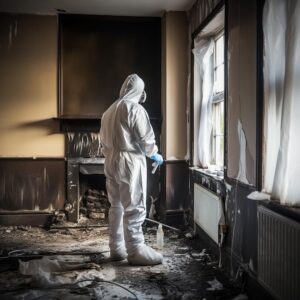
Once damage is recorded, bring in licensed professionals. A qualified team will handle debris removal, deep smoke cleaning, moisture control, and structural drying — all necessary parts of business fire damage restoration.
Look for providers experienced in commercial fire damage restoration near you, with the tools to work fast and the certifications to satisfy inspection requirements.
Step 4: Repair and restore your restaurant
With the site stabilized, the rebuild begins. This can include replacing damaged drywall, refinishing surfaces, deodorizing HVAC lines, and reinstalling or upgrading kitchen equipment. Depending on the layout, it may also involve flooring, lighting, or reconfiguring the line.
If done right, this stage is an opportunity to not only recover but also improve. A streamlined plan means you can fully restore your restaurant without costly rework down the line.
Step 5: Navigate insurance and safety requirements
File your claim as early as possible. Be thorough, and submit supporting materials with detailed estimates and timelines. Keep all receipts related to cleanup, relocation, and temporary operations.
You may also need to coordinate new inspections to meet fire safety regulations for restaurants before reopening. A trusted restoration partner can often manage this process for you and save days of back-and-forth with inspectors.
What percentage of businesses never reopen after a fire?
It’s an uncomfortable question, but an important one.
As noted in the emergency preparedness guidance from the U.S. Small Business Administration, 25% of small businesses never reopen after a disaster. While this figure includes all types of incidents, restaurant fires often carry more complexity: structural damage, health inspections, smoke contamination, and time-sensitive inventory.
Still, these numbers aren’t destiny. They’re a reason to act quickly.
Owners who take clear steps in the first 24 to 72 hours — documenting the scene, contacting certified professionals, and beginning business fire damage restoration — give themselves a stronger chance of reopening without long-term disruption.
In our work across North and South Carolina, we’ve seen this firsthand. The risk is real — but so is the recovery.
Final tips to prevent future fires
The best way to reduce future fire risk is through consistency, not occasional upgrades, but small habits practiced daily.
- Grease control starts with the exhaust system. Schedule quarterly hood and duct cleaning to avoid buildup, one of the most common sources of kitchen fire damage.
- Know your wiring and load limits. Overloaded outlets and aging fixtures often trigger short circuits, especially near prep areas where heat and moisture amplify the risk of a fire in the kitchen zone.
- Keep flammable materials where they belong. Towels, packaging, and cleaning supplies should never be stored near fryers or ovens — it’s a frequent cause of sudden kitchen fire flare-ups.
- Make safety part of onboarding. Even temporary staff should know where extinguishers are, how to use them, and how to shut off equipment in seconds.
- Treat every fix as urgent. Faulty pilot light? Delayed repair on the ventilation? These details often snowball into larger failures. If you’d rather be proactive, a preventive check as part of our fire damage restoration services can catch hidden risks before they cost you.
Even the best kitchen can’t prevent every spark, but a consistent safety culture makes all the difference.
How East Coast Restoration & Renovation can help you fast-track reopening
Time matters — and so does having the right partner. At East Coast Restoration & Renovation, we specialize in commercial fire damage restoration for restaurants across North and South Carolina. That means more than cleanup. It means coordination, speed, and experience built for businesses like yours.
We don’t just remove debris — we guide you through the entire process:
from fire damage documentation and estimation services for your business to scheduling inspections, managing rebuilds, and preparing reopening checklists.
Whether you’re recovering from a kitchen fire or addressing structural issues after suppression, our team works with local health departments, insurers, and trades to reduce delays and eliminate confusion.
If you need a partner who understands the urgency behind restaurant restoration timelines, we’re here to help. Reach out directly through our contact form to start a focused recovery plan that works on your schedule.
Conclusion
A fire doesn’t have to mean starting over. With the right approach, it can become the start of a stronger, more resilient operation.
Every successful restaurant fire recovery begins with clarity: knowing what to fix, who to trust, and how to move fast without compromising safety. That’s where our experience in commercial fire damage restoration makes a real difference — helping you stay ahead of inspections, delays, and costly surprises.
If your goal is to not just clean up, but fully restore your restaurant and protect its future, we’re here to guide that process, with precision, speed, and care.
Did your property suffer from damage?

Our Services
Fire Damage Restoration
Learn More
Smoke Damage Restoration
Learn More