

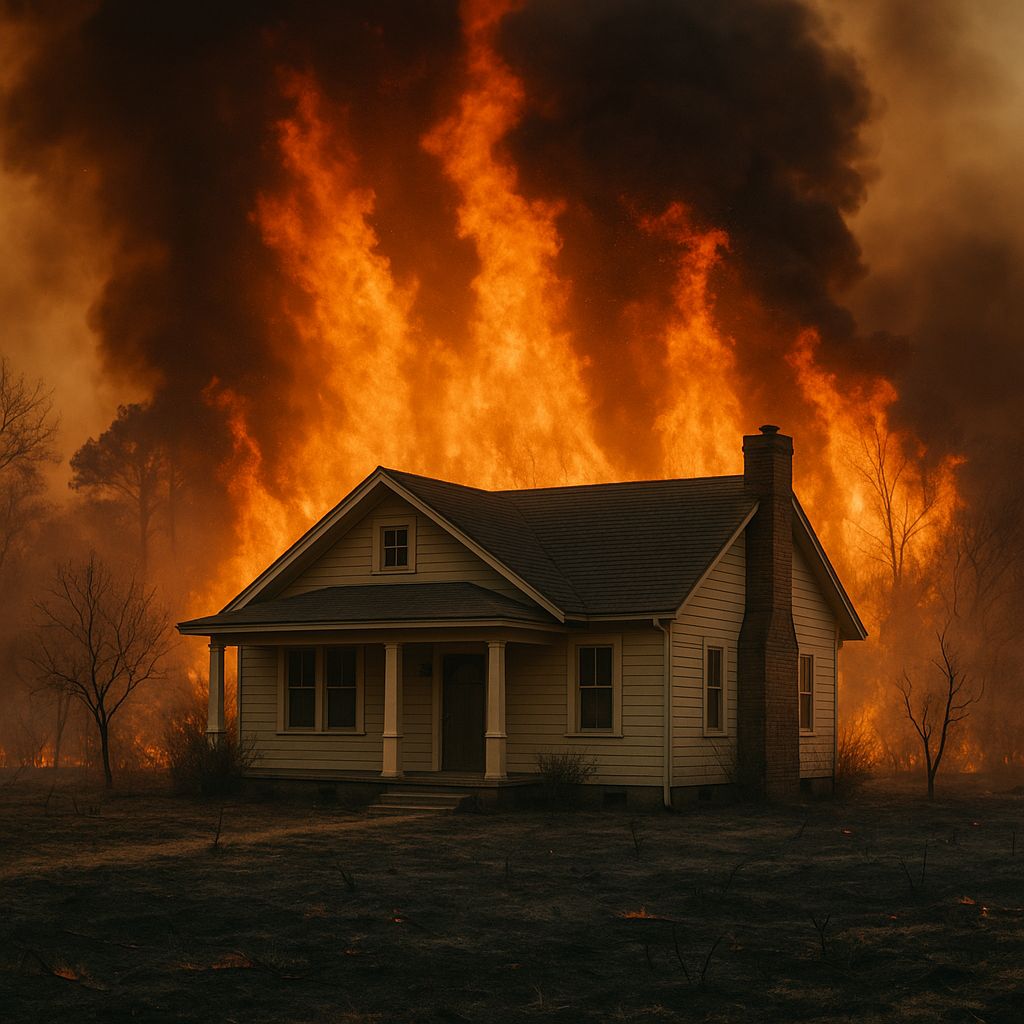


Let’s be real—here in the Carolinas, fire safety is something we all have to think about, whether you’re in a pine-forested corner of North Carolina or down by the Lowcountry marshes in South Carolina. Fire might seem like a distant threat, but every year, families in our neighborhoods deal with house fires, wildfires, and kitchen mishaps. The good news? A little prevention goes a long way. From everyday habits to smart upgrades, fireproofing your home doesn’t have to cost a fortune, and the peace of mind is priceless. Let’s dig into some practical, neighborly tips for keeping your Carolina home—and everyone in it—safe from fire.
What areas are more prone to fire damage?
Not all parts of your home face the same level of fire risk—especially with our mix of stormy summers and dry spells in North and South Carolina. Some areas practically invite trouble if left unchecked. Here’s a quick look:
- Kitchens: The prime spot for accidental fires, thanks to stovetops, ovens, and sometimes a forgotten pan.
- Attics and Basements: Wiring, stored junk, and insulation can create hidden hazards.
- Garages: Flammable liquids and power tools are often stored here—sometimes a little too close to comfort.
- Roof and Gutters: Dry leaves and debris can act as kindling, especially during hot, dry seasons.
- Near Windows and Doors: Embers from wildfires can sneak in through cracks.
If you’re in a wooded spot—think the Sandhills or the Upstate—or live near brush in the Piedmont, your exterior walls, decks, and fences are also at higher risk. Identifying these hot spots is the first step to effective fireproofing.
Why fireproofing is worth investment
Think of fireproofing as insurance you can actually see and touch. Even small upgrades can tip the odds in your favor should disaster strike. Here’s why it’s a smart move:
- Saves money long-term: Repairing fire damage is costly—prevention is almost always cheaper.
- Protects lives and valuables: Fireproofing buys precious time to get out safely and can minimize loss of irreplaceable items.
- Reduces insurance premiums: Many providers offer lower rates for fire-resistant homes.
- Boosts property value: Buyers love a well-protected home, especially in high-risk areas.
Still need convincing? According to the National Fire Protection Association (NFPA), over 350,000 home fires occur in the US every year—don’t let yours be one of them.
Practical fireproofing tips to start with
You don’t need a massive renovation budget to get started. Here are some approachable, effective steps on how to protect your home from fire:
Install heat-resistant roofing materials
Your roof is your first line of defense against embers and stray sparks. Asphalt shingles may be common, but consider upgrading to materials like metal, slate, or clay tiles—these are more resistant to heat and flame. If you’re in a wildfire-prone spot, Class A fire-rated roofing is a smart investment.
Upgrade outdated electrical wiring
Old or damaged wiring is a leading cause of house fires. If your home is more than 30 years old (or if you’ve noticed flickering lights and tripped breakers), have a licensed electrician inspect and update your system during a home renovation project. This is one of the most effective ways to protect your house from fire inside the walls.
Keep cooking areas clear of flammable items
Simple, but often overlooked: don’t let kitchen towels, paper, or plastic get too close to the stove. Use a designated drawer or shelf for flammable cooking supplies, and never leave cooking unattended. Fire extinguishers should be within easy reach, too.
Maintain chimneys and fireplaces regularly
A cozy fire is great—so long as your chimney is free from creosote buildup. Schedule annual cleanings and inspections to prevent chimney fires. Use a spark arrestor and keep combustibles (like stacked firewood) at least 10 feet away from your home.
Store flammable liquids away from living spaces
Paint thinners, gasoline, and even some cleaners shouldn’t be stored inside the house. Keep these in a detached shed or garage, tightly sealed, and well away from heat sources. Label everything clearly, and never store gas-powered equipment indoors.
Create defensible space with smart landscaping
Protecting your home from forest fire isn’t just about what’s inside. Trim trees and shrubs back at least 30 feet from your house. Replace wood mulch with gravel or stone near the foundation. Keep your lawn watered and mowed, and don’t let leaves or pine needles accumulate. This defensible space can slow or stop wildfire spread and prevent the need for fire restoration services.
Mistakes homeowners often make when trying to fireproof
Let’s be honest: we all mean well, but some common slip-ups can actually increase fire risk. Watch out for these:
- DIY electrical work: It’s tempting to fix a wiring issue yourself, but unless you’re a pro, leave it to the experts.
- Ignoring routine maintenance: Skipping chimney cleanings or letting gutters fill up can undo your hard work.
- Overloading outlets: Extension cords are handy, but can overheat if overloaded.
- Improper storage: Flammable materials should never be kept in living areas or near heat sources.
- Focusing only on the inside: Fireproofing outdoors is just as crucial as inside the home, especially in wildfire zones.
Avoid these pitfalls, and your efforts will truly pay off.
East Coast Restoration & Renovation can help safeguard your home
Sometimes, the best way to protect your home from fire is to get a little help from folks who know the area. East Coast Restoration & Renovation is based right here in the Carolinas, with experience in everything from historic Charleston homes to new builds in Raleigh. We offer local know-how for fireproofing services—applied fireproofing for structural steel, the latest fireproofing insulation, and products that stand up to our Carolina climate. Not sure what fireproofing is or which materials suit your home? Our team speaks your language and can walk you through options that fit your budget and your home’s unique quirks.
Conclusion
Fireproofing your home isn’t just for the overly cautious—it’s a straightforward way to keep your family safe, protect your investment, and help you rest easier. Even the smallest steps, like clearing out gutters or double-checking your smoke alarms, can make a real difference. When you put in a bit of effort now, you’re setting up your home to handle whatever comes its way—without turning your life upside down.
Start with what feels manageable and build from there. And don’t forget, you’re not in this alone. In the Carolinas, neighbors look out for each other, and local pros are always happy to share what they know. Whether you’re chatting over the fence or picking up tips at the hardware store, every action adds up. Your home really is your haven—let’s keep it safe from fire, together.
Did your property suffer from damage?

Our Services
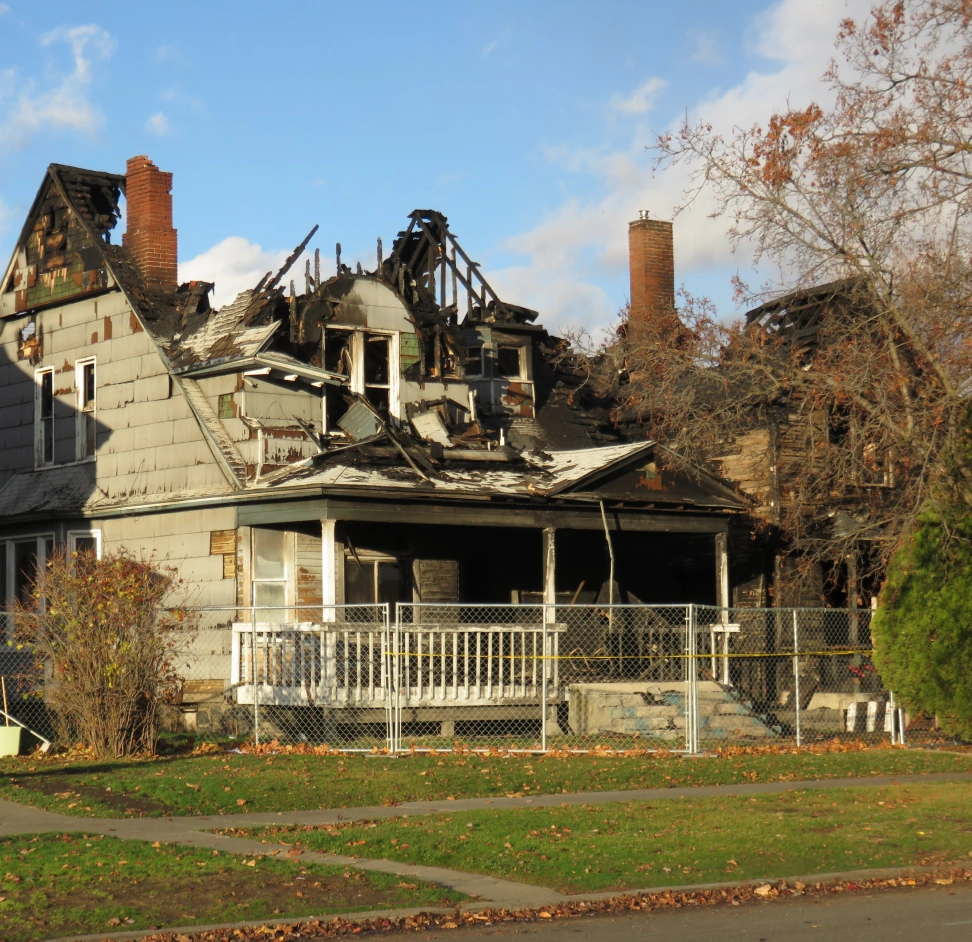
Fire Damage Restoration
Learn More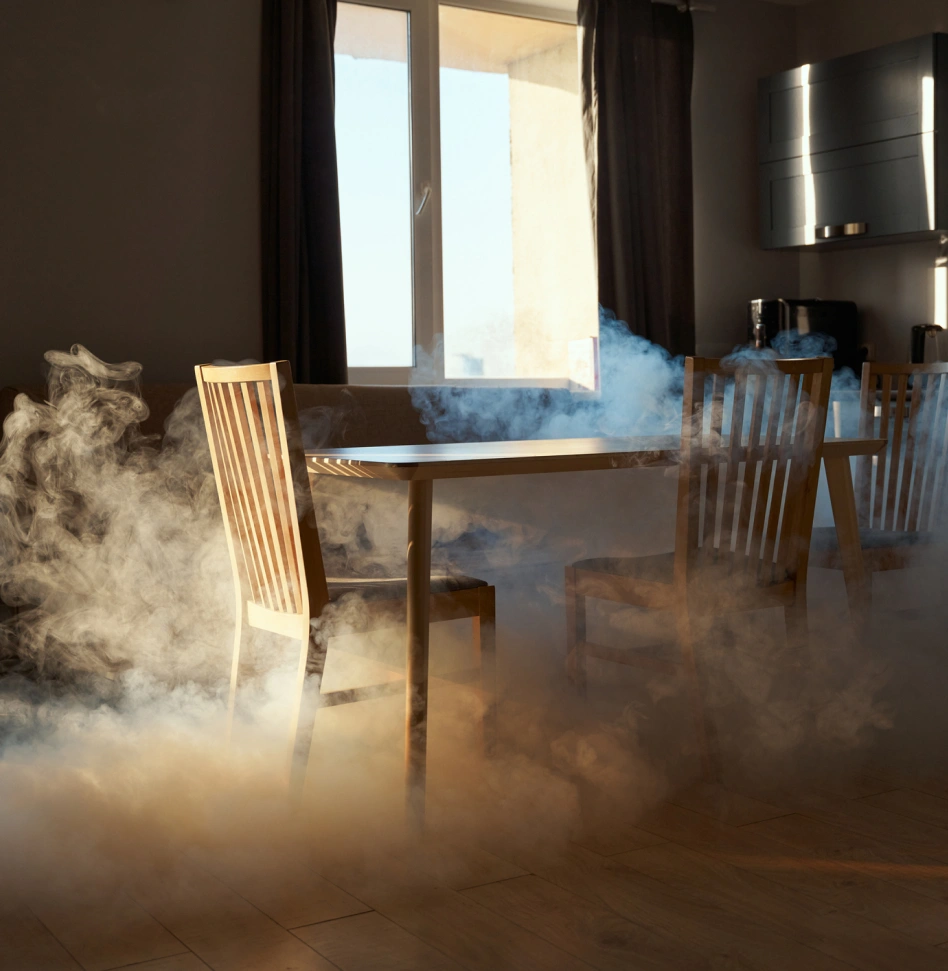
Smoke Damage Restoration
Learn More