
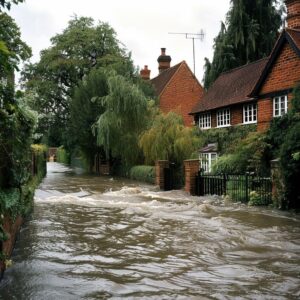
A brick bungalow in Dilworth or a mid-century ranch in Myers Park might look solid for decades — until a hidden leak or patch of dampness turns small quirks into big problems. In older Charlotte homes, water damage rarely announces itself with a flood, it begins quietly, working behind the walls and beneath the floors. We’ve prepared this guide to help homeowners and landlords in Charlotte spot those early water damage signs, understand why historic homes are more vulnerable and act before minor issues become costly repairs.
What is considered water damage in a home?
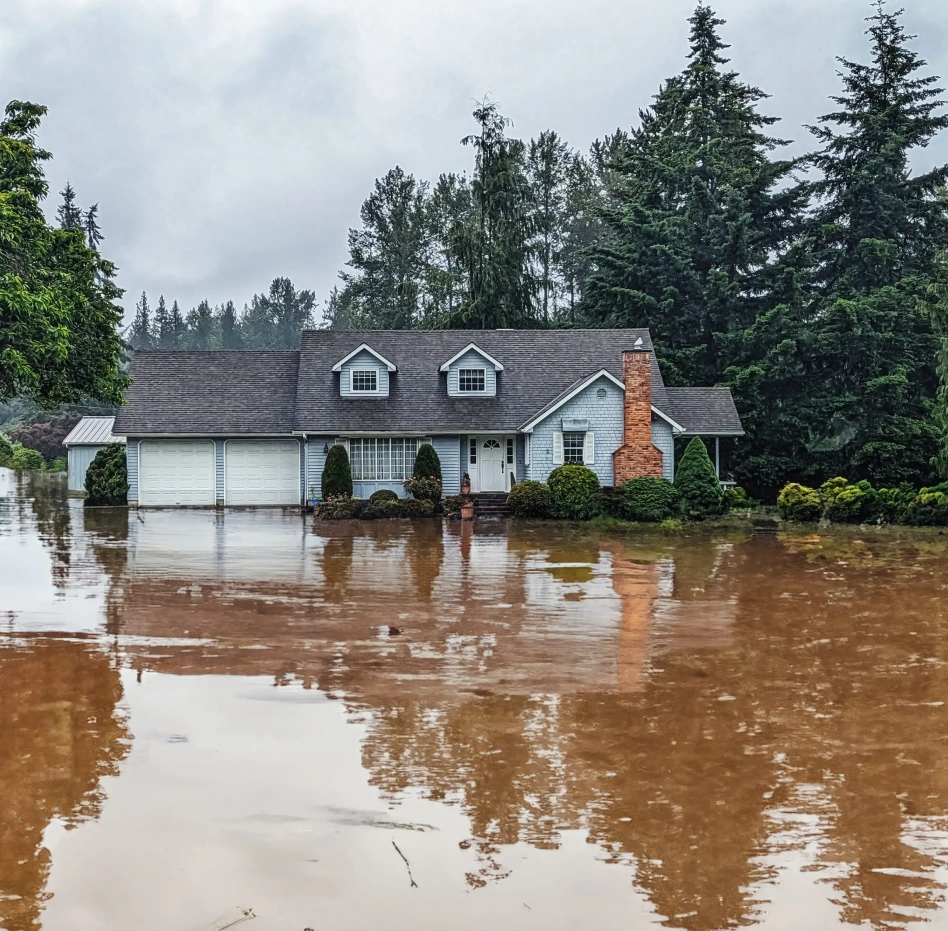
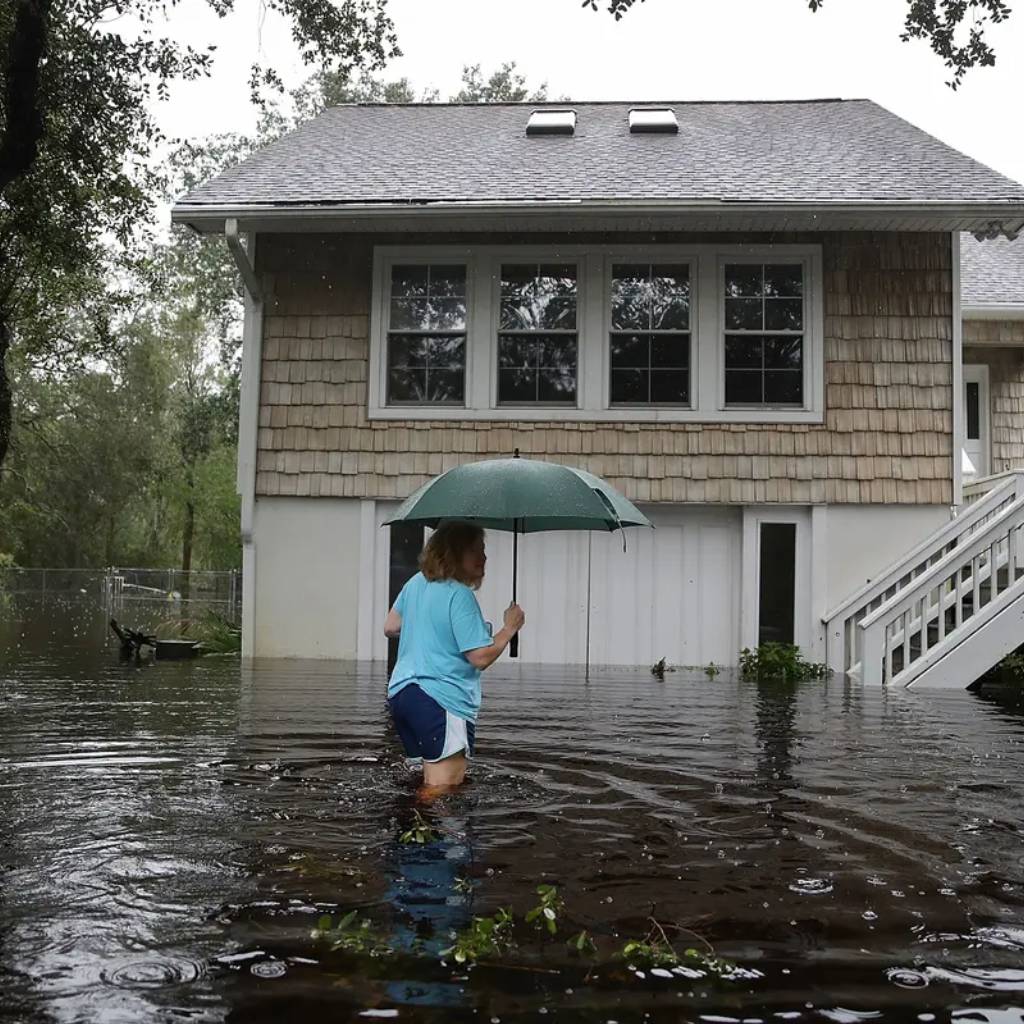
When most people hear water damage, they picture dramatic floods or burst pipes. In reality, water damage in Charlotte, NC often begins with something subtle — a hidden drip, a slow roof leak or moisture working its way through a foundation crack. Any unwanted water intrusion that changes a surface’s appearance, strength or function should be treated as damage. That means not only soggy carpets or standing puddles, but also early water damage signs such as peeling paint, warped floors or a persistent musty smell in the house.
Understanding how to detect water damage is important because these problems almost always start quietly, behind walls or beneath floors — where they can quietly weaken the structure, invite hidden mold and make entire rooms unusable before you ever notice a stain. For owners of older homes, being able to tell the difference between normal aging and true water damage can make all the difference in preserving the safety, comfort and long-term value of your property.
Why older Charlotte homes are at higher risk
Many houses in Charlotte were built long before today’s moisture barriers, modern plumbing or updated roofing standards. That’s why water damage in older homes is so common here. Aging pipes, cracked foundations and worn-out flashing make it easier for leaks and humidity to creep in unnoticed. These factors lead to unique historic home water damage problems — from slow roof leaks in attic spaces to stubborn moisture in crawlspaces. Simply put, the classic charm of an older house often goes hand in hand with increased risk of hidden Charlotte home water damage.
Early signs of water damage to look for
Catching water damage signs early can save older Charlotte homes from extensive repairs. Even small changes around your house may be the first hint of hidden leaks or moisture issues. Here’s what to watch for during regular checks:
Discoloration or water stains on ceilings and walls
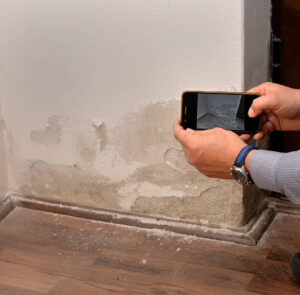
Brown, yellow, or copper-colored patches — especially under bathrooms, near windows or beneath roof valleys — are classic indicators of water damage in older homes. Touch the area: if it feels damp or soft, the problem is likely active. For more tips on identifying subtle leaks, review our guide to hidden water damage signs.
Warped or buckled flooring
Cupped hardwood, lifted vinyl or loose tiles often signal moisture coming from below, whether due to basement water damage or a plumbing leak beneath the floor.
Peeling or bubbling paint and wallpaper
Moisture trapped behind finishes causes paint to blister, peel or bubble, while wallpaper may start lifting at the seams. These are strong water damage signs — especially around windows, exterior walls and bathrooms.
Musty odors or persistent damp smell
A lingering musty smell in the house usually means there’s hidden moisture or even mold, even if no stains are visible. Trust your nose — odors often appear before you see any damage.
Visible mold or mildew growth
Mold or mildew on walls, in corners or under sinks shows that water is present. Even small patches are a red flag. Learn how to stop mold before it spreads in our mold prevention after water damage guide.
Sagging ceilings or walls
Any sagging or bowing in drywall points to significant saturation and may signal a more serious leak above or inside the wall cavity.
Higher-than-usual water bills
A sudden increase in your water bill — with no change in daily routines — often means a hidden leak somewhere in your system. If you notice this along with any of the signs above, it’s time for a thorough water damage inspection.
Common sources of water damage in aging homes
Leaks and moisture problems causing water damage in older homes across Charlotte and the Carolinas usually trace back to a handful of predictable trouble spots. Here are the most frequent historic home water damage problems we see:
- Charlotte plumbing leaks at aging pipe joints, corroded valves, or brittle supply lines
- Cracked or missing roof shingles, along with worn flashing around chimneys and vents
- Failing gutters and downspouts that let rainwater pool near the foundation
- Gaps or rot in window and door frames, allowing water to seep inside
- Poor drainage or foundation cracks, leading to persistent basement water damage
- Uninsulated HVAC lines and appliances that collect condensation behind walls
Want to know how to tell a minor issue from a real risk? Our FAQ section covers the most common questions from Charlotte homeowners.
How to check for water damage yourself
You don’t need special tools to spot early water damage signs in older homes. Just pay attention during your regular routine:
- Inspect ceilings and walls. Look for stains, peeling paint or soft patches — these usually mean there’s hidden moisture.
- Check floors. Warping, loose tiles or damp spots can be signs of water underfoot.
- Notice any musty smell in the house. Odors often appear before visible mold.
- Review your water bills. An unexplained jump might point to a leak behind the walls.
- Test around sinks, toilets and your water heater. Any dampness or condensation could mean trouble.
- Walk your basement or crawlspace. Cracks, pooled water or damp foundation walls are often where water damage in older homes first appears.
If anything seems off, it’s smart to keep notes and consider a professional water damage inspection before things get worse.
When to call a professional for inspection or repair
Some water damage signs need more than a DIY fix. If you find active leaks, spreading stains, sagging ceilings, or a persistent musty smell in the house, it’s time to call for a professional water damage inspection. Mold growth, unexplained spikes in your water bill, or hidden moisture that won’t dry out are all strong reasons to bring in experts — especially with water damage in older homes, where problems can run deeper than they appear.
What happens if early water damage is ignored?
Ignoring early water damage signs almost always leads to bigger trouble. What starts as a minor leak or a faint musty smell in the house can quickly turn into structural damage, ruined flooring or widespread mold. In older homes, hidden moisture spreads fast — softening wood, damaging insulation and attracting pests. Unaddressed water damage in older homes often means more expensive repairs, health risks and a lower property value in the long run.
How to prevent future water damage in older homes
Proactive care goes a long way in protecting older homes from costly leaks. Here are the best ways to prevent water damage:
- Maintain your roof and gutters. Clean gutters twice a year and repair damaged shingles or flashing right away.
- Update old plumbing. Replace corroded pipes and monitor shut-off valves to prevent plumbing leaks in older Charlotte homes.
- Seal windows and doors. Refresh caulk and weatherstripping to keep rain and humidity outside.
- Check the basement and crawlspace. Look for cracks or standing water — persistent basement water damage often starts here.
- Monitor for moisture. Watch for early water damage signs and consider a yearly water damage inspection to catch hidden problems.
Consistent maintenance and quick action are your best defense against water damage in older homes.
East Coast Restoration & Renovation can help Charlotte homeowners
Dealing with water damage in older homes takes more than patching a leak. At East Coast Restoration & Renovation, we know the hidden risks — from stubborn basement water damage to those elusive Charlotte plumbing leaks that older homes love to hide. Using advanced tools and decades of local experience, we offer precise water damage inspection and restoration for Charlotte and throughout North & South Carolina. If you’re curious what real restoration looks like for a Carolina home, take a look at our water damage restoration services to see how we solve the problems that standard repairs often miss.
Conclusion
Spotting early water damage signs — like stains, odors or warped floors — is the best way to avoid major repairs and preserve the value of older Charlotte homes. Regular checks, quick action and knowing when to call for professional help make all the difference. By staying alert to potential trouble and addressing issues right away, you can keep your home comfortable, safe and dry for years to come.
Did your property suffer from damage?

Our Services
Fire Damage Restoration
Learn More
Smoke Damage Restoration
Learn More