


Filing an insurance claim after a house fire in North or South Carolina can feel like a maze, especially when so much depends on getting every detail right. The rules, the paperwork, and the pressure to document every fire damage restoration cost often catch homeowners off guard. Having a reliable plan — and understanding how insurers actually handle these claims — makes a world of difference. East Coast Restoration & Renovation offers this guide so you can move forward with clarity and confidence, even when the situation feels anything but simple.
What Fire Insurance Typically Covers
The first thing to check after a fire is what your insurance will actually cover — and how those numbers work out in real life. In both North and South Carolina, most fire policies pay for:
- Repairs or rebuilding for damaged structures: walls, roofs, built-in features
- Outbuildings, like sheds or garages
- Replacement of personal items — furniture, electronics, clothing
- Debris removal, cleanup, and the smoke restoration cost that comes with deep cleaning
- Temporary living expenses if your home isn’t safe to stay in
A lot depends on the details of your policy — and on state law. For example, in South Carolina, the “valued policy law” means that if your home is declared a total loss, your insurer will pay out the full amount listed on your policy, no matter the actual fire restoration cost per square foot. In North Carolina, there’s no such rule: every fire damage restoration cost and each part of your home restoration costs must be clearly documented and supported with evidence, whether it’s immediate repairs or additional problems discovered later.
If you need practical answers about your coverage or a clear estimate of your full home restoration cost before you start, talk to our professional fire damage assessment and cleanup team. We’ll help you understand your options and make sure nothing critical is missed.
Steps to Take Immediately After a Fire
After a house fire, what you do next will directly impact your recovery timeline and how much of your fire damage restoration cost your insurance will cover. Acting quickly and methodically helps you avoid common claim disputes and keeps home restoration costs under control.
- Wait for official clearance. Never re-enter your home until fire officials confirm it’s safe.
- Document everything. Take clear photos and videos of every damaged area, including close-ups of valuables and structural details. Hold onto damaged items — even small losses and smoke restoration cost may be covered if you have proof.
- Prevent additional damage. Board up broken windows, tarp exposed roofs and shut off utilities if needed. This protects your home from further problems and shows your insurer you’re taking responsible steps to reduce extra home restoration costs.
- Create a detailed inventory. List every item that’s been lost or damaged, with descriptions, estimated values and receipts if available.
- Reach out to restoration experts immediately. Fast emergency fire damage restoration not only saves time and money, but also ensures you meet critical insurance requirements. If you’re in the area and need urgent support, our Charlotte fire damage restoration team is ready 24/7 to secure your home and help start your claim the right way.
Every step you take now strengthens your case and helps make sure your actual fire damage restoration cost is fully recognized by your insurer.
How to Notify Your Insurance Provider
Contact your insurance provider immediately — preferably the same day the fire occurs. Use the emergency claims number on your policy, company website, or mobile app to report the loss. Have your policy number, date, and time of the fire, and a brief description of the damage ready. Ask for a claim number and note the name of the representative you speak with.
Clear, prompt reporting is critical for your fire damage restoration costs to be fully considered. If you’re unsure how to reach your insurer or need urgent advice, you can always contact us directly for help navigating the insurance process and arranging emergency fire restoration if needed.
Role of the Insurance Adjuster in Your Claim
After you file a claim, your insurance company assigns an adjuster to evaluate the full impact of the fire. This specialist’s main job is to verify the extent of damage and decide which repairs, cleanup, and losses are covered. The adjuster will tour your property, examine structural issues, check for hidden problems, and look for signs of smoke and water damage that could drive up your smoke damage restoration cost or require extra smoke restoration cost for deep cleaning.
It’s a good idea to have your own documentation, photos, and itemized lists ready. Walking the property with the adjuster allows you to point out details they might otherwise miss, especially when it comes to long-term issues or specialized repairs that true fire damage restoration experts know to watch for.
If you feel something important is being overlooked, don’t hesitate to ask questions or request a second look. Well-documented claims and clear communication make it much more likely you’ll receive full support for all necessary fire damage restoration and related services.
Issues That Can Delay or Deny Your Claim
Insurance claims after a fire can get complicated quickly. Even small mistakes or missing details can lead to frustrating delays — or outright denials — no matter how severe your losses are. Here are the most common problems homeowners run into:
- Incomplete documentation. If your inventory, receipts, or repair estimates are missing details, insurers can question or reject large portions of your fire restoration cost and personal property claims.
- Delays in mitigation. Waiting too long to start cleanup or repairs can allow damage to worsen, which insurers may classify as avoidable. This can reduce compensation for smoke restoration costs, water cleanup, or other home restoration costs.
- Excluded events. Some policies specifically exclude certain types of fires, such as wildfires, arson, or external sources. If your claim involves an excluded event, your insurer may deny coverage or require additional documentation.
- Disputes over the cause or extent of damage. If the insurer decides some damage wasn’t caused by the fire — or finds signs of pre-existing problems — they may refuse coverage for those repairs.
- Upgrades or code compliance. Sometimes required upgrades (like electrical or structural changes) are not fully covered, unless they’re explicitly included in your policy.
Bringing in fire damage restoration experts early helps you avoid many of these pitfalls. Detailed reports, photos, and prompt action make your claim harder to challenge, so you get fair coverage for every legitimate loss.
How much of a fire restoration cost can insurance cover?
Insurance typically covers all “reasonable and necessary” fire restoration cost, but only up to your policy limits and after your deductible is applied. For most homeowners in the Carolinas, insurance pays for repairs to the structure, cleanup and even smoke damage restoration costs, as long as every expense is properly documented.
Typical fire restoration cost per square foot ranges from $4 to $7, depending on the severity and type of repairs. Based on average fire restoration costs reported by Angi, total home restoration costs after a fire often fall between $10,000 and $50,000 for an average single-family house. More extensive or high-end home restoration cost can be even higher.
Keep in mind: personal property coverage may be limited by item categories or “actual cash value” instead of replacement cost. Carefully review your policy to understand exactly what’s covered and at what value. Providing complete, accurate documentation makes it much more likely your insurance will pay the full amount you need to repair and restore your home.
Choose East Coast Restoration & Renovation for a smooth insurance claim
Dealing with insurance after a fire means handling details, deadlines, and constant questions — when all you want is to move forward. East Coast Restoration & Renovation takes the pressure off. Our team manages every stage of fire damage restoration, from the first emergency call to final documentation for your adjuster. We track every smoke restoration cost, repair, and estimate, so your home restoration cost is backed by clear, professional records.
For homeowners in Spartanburg and across the Carolinas, we offer round-the-clock emergency fire restoration, hands-on support during inspections, and real advocacy throughout your claim. When you want the job done right and your claim handled without stress, our fire damage restoration experts are ready to step in.
Conclusion
Recovering from a house fire is never simple, but the way you approach your claim and choose support can make all the difference. With experienced professionals on your side, the process becomes more manageable, your rights are protected, and every important detail gets the attention it deserves. East Coast Restoration & Renovation is here to guide you through each step, helping you put the pieces back together and move forward with clarity and confidence.
Did your property suffer from damage?

Our Services
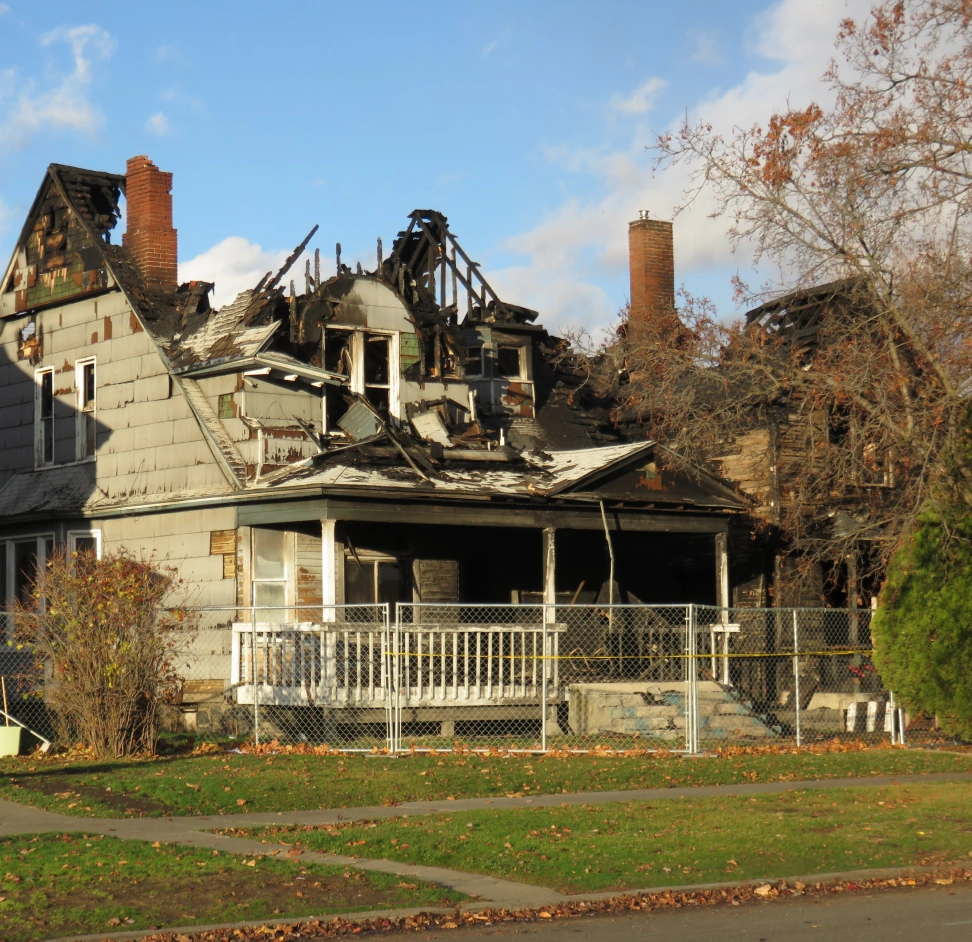
Fire Damage Restoration
Learn More
Smoke Damage Restoration
Learn More