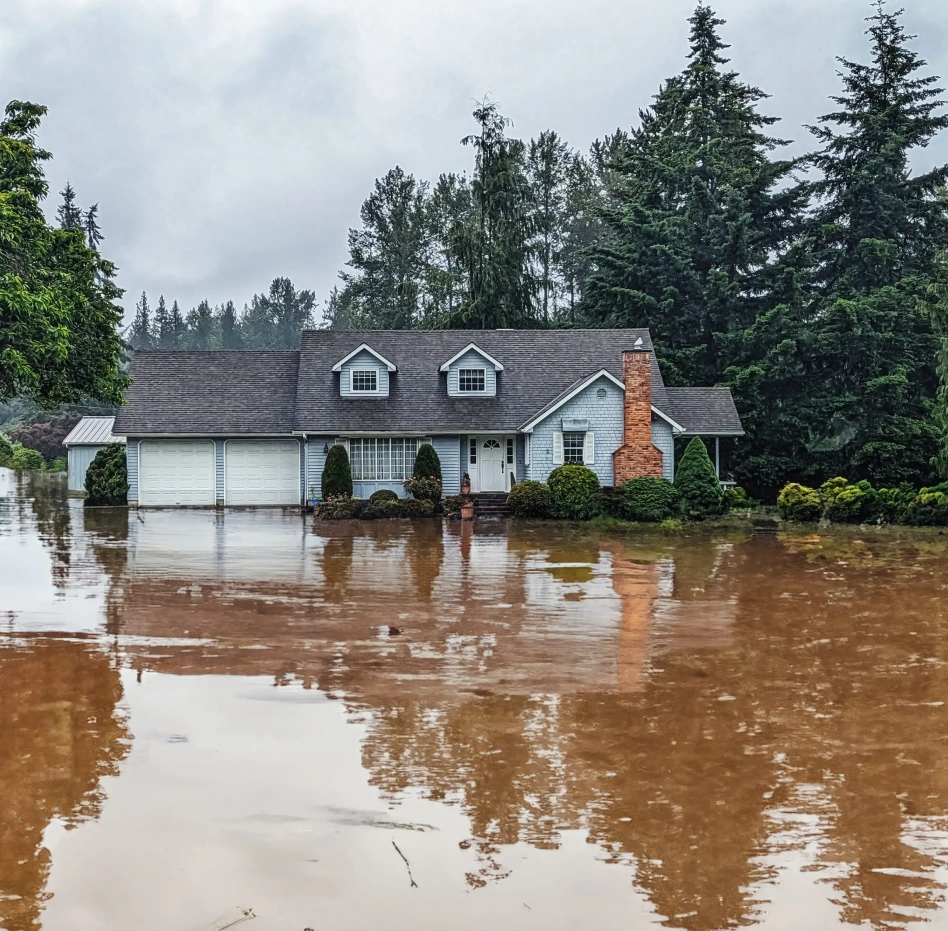

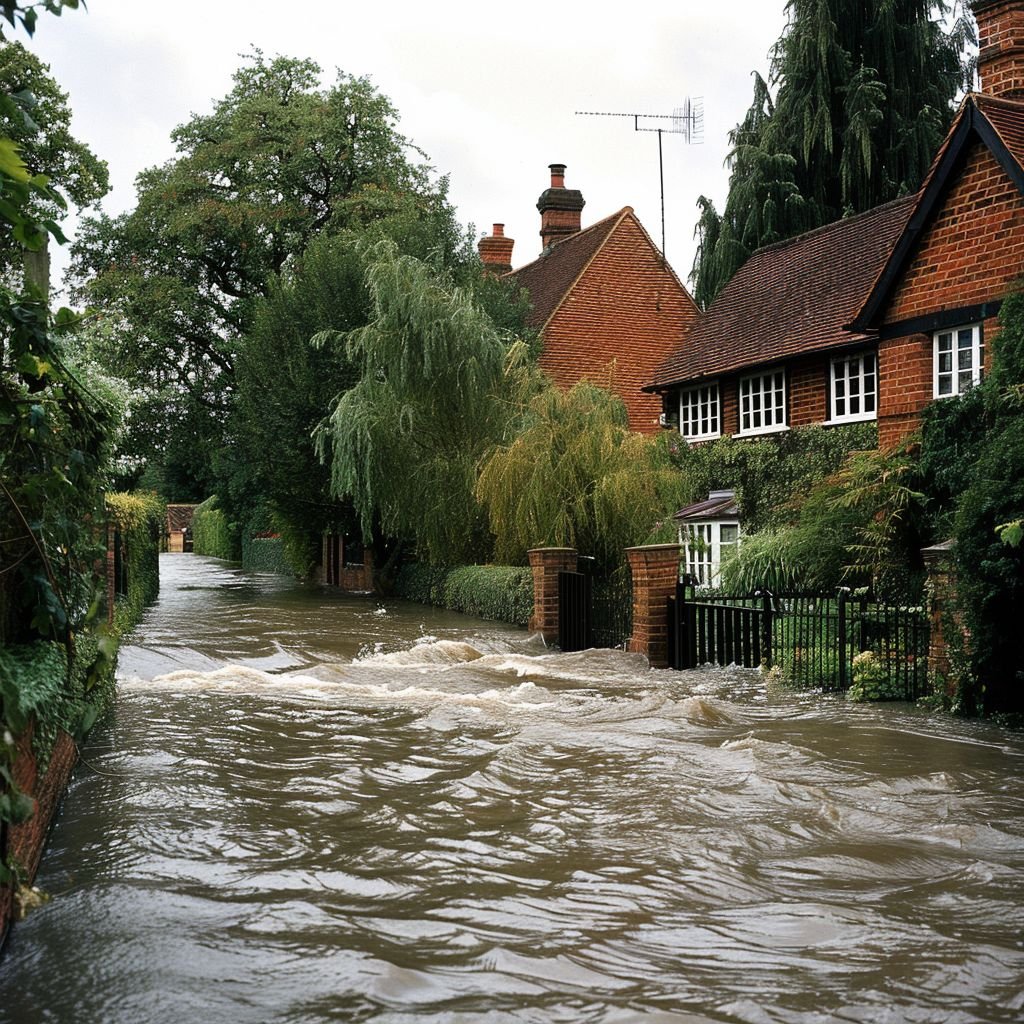
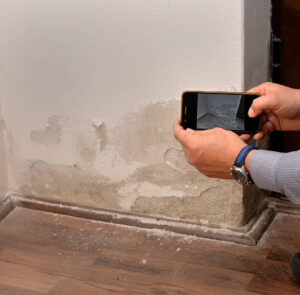


A burst pipe. A leaking roof after a storm. A flooded basement. These unexpected situations can leave homeowners across North and South Carolina asking the same urgent question: Does homeowners’ insurance cover water damage like this?
The truth is, not all policies offer the same level of water damage insurance coverage. Whether or not your repairs are reimbursed depends on how the damage happened, how quickly you act, and what kind of homeowners insurance coverage applies to water damage in your case. Even plans labeled as full coverage cover water damage often come with important limitations or exclusions that catch people off guard.
At East Coast Restoration & Renovation, we’ve helped countless families across the Carolinas respond to sudden leaks and flooding with fast, professional water damage restoration service and, just as importantly, clarity. Today, we’ll explain what’s usually covered, what isn’t, and how to protect both your property and your water damage insurance claim when time is critical.
What Types of Water Damage Are Typically Covered?
Most insurance carriers base their decisions on one simple rule: Was the event sudden and accidental? If water damage appears out of nowhere, rather than slowly developing over time, your homeowner’s insurance water damage coverage will most likely apply.
Here are a few situations that are typically included in standard policies:
- Burst or broken supply lines inside the walls. One minute, everything looks normal. The next moment, your laundry room floor is under water. Because the issue starts suddenly and from within the home, this is generally covered under homeowners’ insurance water damage terms. The cost of the actual pipe repair may not be included, but the damage it causes often is.
- Storm-driven intrusion through the roof or windows. When strong winds tear off shingles or break glass, rain can pour directly into your home. This type of wind-driven damage is usually covered by insurance. Some policies define it as above-ground water damage coverage, especially when the storm creates an opening.
- Accidental appliance failure. If a dishwasher hose pops loose or an ice-maker line ruptures unexpectedly, insurers typically treat it as an accident rather than negligence. Events like these are among the most common reasons homeowners file water damage insurance claims, and they are often eligible for full or partial reimbursement through water damage insurance coverage.
Bringing in a licensed water damage restoration service within the first few hours after the incident helps reduce long-term structural problems and mold risks. Just as importantly, it shows your insurer that you acted responsibly, which can greatly increase your chances of securing full water damage insurance coverage for repairs.
What Water Damage Types Are Hard or Impossible to Claim?
Not all water damage qualifies for reimbursement. Even if your policy includes general insurance coverage for water damage, there are exclusions that can delay or even block your claim entirely. The most common reasons homeowners in North and South Carolina face denial involve gradual damage, lack of maintenance, or specific types of moisture intrusion.
For example, if a pipe has been leaking behind a wall for months and causes rot, mold, or stains, insurers often classify it as gradual damage. Since the damage didn’t happen suddenly, it’s considered a maintenance issue and your provider may reject the claim outright.
Another area that surprises many homeowners is flooding. Rising groundwater, flash floods, and storm surges from the Atlantic are not covered by typical homeowners’ insurance water damage provisions. Instead, they fall under separate FEMA-backed flood policies. Without that add-on, even severe loss may result in zero payout, regardless of the damage.
Moisture entering through cracks in the slab or basement walls is also a red flag for most carriers. In these cases, adjusters often determine that the problem stems from poor drainage or structural wear. As a result, foundation water damage coverage is rarely included unless you’ve purchased specific endorsements.
Neglect is another key factor. If an insurer believes that “you should have known” about a slow leak or failed to fix a known problem, your request may be denied. This is especially common in policies that rely on limited water damage coverage language to reduce liability in borderline cases.
Understanding these restrictions can help you make smarter decisions about your policy. It also raises an important question: how much water damage coverage do I need to protect my home fully? For many property owners, adding extra endorsements is the only way to close dangerous gaps before disaster strikes.
Main Types of Insurance Coverages That Address Water Damage
When water damage strikes, your ability to recover financially depends on which parts of your insurance policy actually apply. Many homeowners assume they’re fully protected, only to discover that their coverage is scattered across different sections with specific limits, exclusions, or triggers. To avoid that surprise, it helps to understand how standard homeowners’ policies break down water damage coverage.
Dwelling coverage: protecting the structure
The foundation of any protection is your homeowners insurance coverage, water damage section. This typically falls under the “dwelling” portion of your policy and pays for repairs to structural components like walls, ceilings, flooring, or built-in cabinetry after a covered water event. However, this section often excludes damage from poor maintenance or long-term leaks.
Personal property: what’s inside matters too
Another major layer is home insurance water damage coverage for personal property. This applies to furniture, electronics, and belongings affected by water, not just the building itself. For example, if your living room carpet and entertainment center are soaked by a burst pipe, this part of your policy may reimburse the replacement cost.
Additional living expenses: covering temporary displacement
Policies may also include water damage mitigation service benefits under Additional Living Expenses (ALE). If cleanup efforts make your home temporarily uninhabitable, ALE can cover hotel stays, meals, pet boarding, or even laundry services while professional crews handle the drying and repairs.
Optional riders and add‑ons: filling the gaps
Optional riders or endorsements can also enhance your protection. These might include sewer backup coverage, sump pump failure add-ons, or even limited foundation water damage coverage under specific conditions. Without these extras, it’s common for claims to be partially denied, especially when water enters from below or involves exterior plumbing lines.
Enhancing your policy with professional services
For those concerned about gray areas, adding endorsements that expand water damage repair service eligibility is often the difference between a modest out-of-pocket cost and a total financial setback. The more you understand where each part of your policy applies, the better prepared you’ll be when it’s time to file a claim.
Average Insurance Payout for Water Damage
The average insurance payout for water damage typically ranges from $7,000 to $12,000 per claim, though totals can rise sharply if moisture reaches structural elements or mold remediation is required. According to Policygenius homeowners insurance data, water damage ranks among the top five most expensive claim types, often just behind fire and liability losses.
Quick action makes a difference. Filing a clear water damage insurance claim, supported by a thorough water damage insurance claim list, helps prevent reimbursement delays and maximizes your eligible home insurance water damage coverage. Restoration professionals can also identify hidden areas affected by leaks, ensuring your water damage coverage insurance reflects the full scope of loss.
Water Damage Insurance Claim Tips
Making a strong file is half the battle. These practical water damage insurance claim tips can help speed up your approval, minimize out-of-pocket costs, and get the most from your homeowners insurance coverage water damage section.
- Act fast and shut the source down. Turn off the main water valve, block the spread of water with towels, and immediately call an emergency water damage service. Quick action shows your insurer that you didn’t ignore the issue — a common reason claims are denied.
- Document everything with a photo and video. Capture every stage, from active leaks to cleanup by the water damage service provider: drying, removal, and dehumidification. This becomes part of your water damage insurance claim list that adjusters can verify step by step.
- Save every receipt. Items like fans, tarps, moisture meters, or even gas expenses if evacuation is needed — many can apply under home insurance water damage coverage for additional living expenses.
- Push for updates, politely but persistently. Ask your insurance rep for written updates if things stall. Reminder: In many states, including ours, insurers are required to respond to valid water damage insurance claims within a defined time window once inspections are completed.
- Help your tenants understand their options. People often ask, does renters insurance cover water damage to personal belongings like laptops or furniture? The answer is often yes, but only if they carry renters insurance water damage coverage for contents.
- Call local pros who know your area. We’ve handled a lot of cases across the region and know exactly how to get insurance to pay for water damage. Our crews coordinate directly with your carrier and adjuster.
For more plain-language guidance, check out our page on common insurance questions about restoration — it’s a great place to start if you’re unsure how to deal with insurance in tandem with water damage repair service like ours.
How East Coast Restoration & Renovation Streamlines the Work With Insurance
Navigating an insurance claim after water damage can feel overwhelming, especially when you’re juggling repairs, paperwork, and deadlines. That’s why we don’t just handle the cleanup. At East Coast Restoration & Renovation, we help homeowners through the water damage insurance claim process from start to finish.
Our team works directly with insurers, provides the necessary documentation, and ensures that no critical steps are missed. We understand how homeowners’ insurance coverage of water damage is interpreted by local insurers and make sure your loss is properly documented to meet those expectations.
Whether it’s compiling your water damage insurance claim list, answering policy-related questions, or clarifying what falls under limited water damage coverage, we stay involved at every stage. You’ll never be left guessing what comes next — and if you’re ready to start the process, you can reach out to us directly anytime for guidance.
Conclusion
Water damage is one of the most stressful home emergencies, but it doesn’t have to be financially devastating. By understanding your coverage, acting quickly, and working with trusted professionals, you can take control of the process and recover fully.
If you’re facing unexpected flooding, leaks, or appliance failures, don’t wait. The sooner you start cleanup and file a claim, the more likely you are to access the full benefits of your water damage coverage insurance. And if you’re unsure where to begin, we’re here to help. East Coast Restoration & Renovation brings expert service and insurance support together — so you can focus on getting your home back, not battling the fine print.
Did your property suffer from damage?

Our Services
Fire Damage Restoration
Learn More
Smoke Damage Restoration
Learn More