
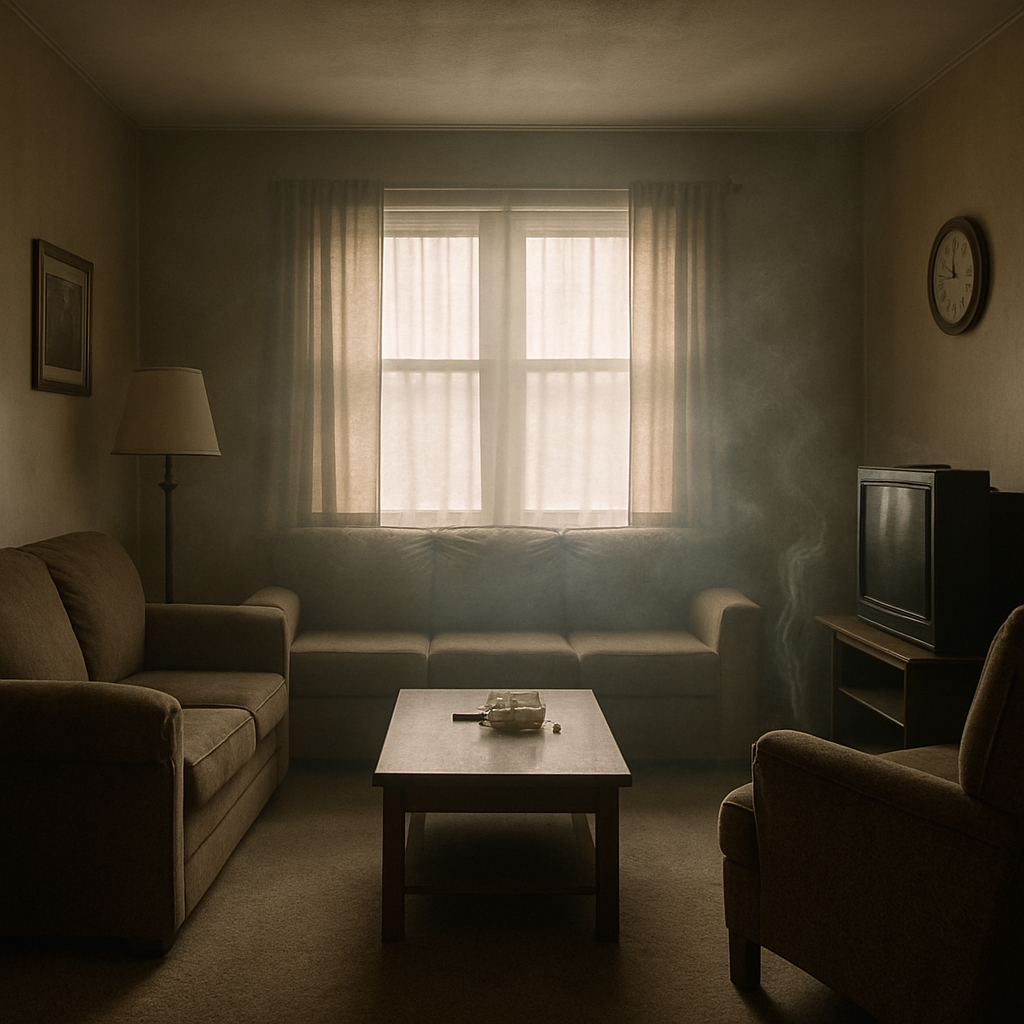
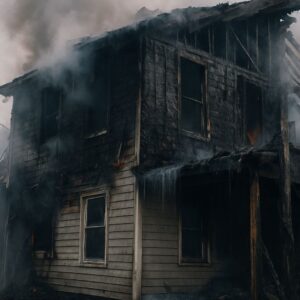
You hauled the scorched mattress to the curb, wiped every countertop and cracked the windows wide — but the house still feels off. The kids wake up coughing, your eyes sting when the HVAC starts, and the air quality monitor you bought “just in case” keeps sliding from green to yellow. That invisible culprit is lingering smoke damage, and it doesn’t always smell like a campfire.
When wood, plastics, or drywall char, they release ultrafine particles that a standard filter can’t catch. The National Institute of Environmental Health Sciences warns that these particles stay airborne for days, quietly pushing indoor air quality into the unhealthy zone and triggering headaches, fatigue, and scratchy throats.
In today’s article, you’ll see how hidden soot moves through a house, which air quality testing tools reveal problem spots, and practical ways to improve indoor air quality — from quick DIY upgrades to full-scale smoke damage cleaning.
What Is Smoke Damage and Why It Matters
Smoke damage is the residue that settles after flames die out: microscopic soot, sticky tars, and acidic gases that wedge into places a vacuum can’t reach. These contaminants don’t stay on the surface; they travel through wiring chases, under baseboards, and into attic insulation. Once they land, they keep reacting with moisture and oxygen, silently lowering indoor air quality day after day. Homeowners who run a quick home air quality test often discover particle counts well above outdoor levels, even when rooms look spotless.
Why should you care?
- Fine soot can stain fresh paint and leave smoke damage on walls weeks later, forcing a second round of cleanup.
- VOCs released from melted plastics irritate eyes and sinuses, nudging readings on an air quality scale from “good” to “unhealthy.”
- Residue inside ductwork recirculates every time the system starts, so a single room fire can spread pollutants throughout the house.
Because smoke hides as easily as it coats countertops, wiping visible film solves only half the problem. A full plan — like the one outlined in our smoke damage restoration solution — targets both surfaces and the air, restoring comfort and protecting long-term health.
How Smoke Impacts Indoor Air Quality
Smoke infiltrates a home in three main ways. First, ultrafine particles (PM 2.5) stay airborne for days, slipping past standard filters and tripping alarms on even the best air quality monitor. Second, acidic gases bond with indoor humidity, forming mild acids that corrode metal vents and irritate respiratory tissue. Third, porous materials — carpeting, curtains, insulation — absorb odors and release them later, so you smell a campfire each time the A/C cycles.
The EPA’s wildfire-smoke guidance warns that these particles are small enough to pass deep into the lungs and cling to household surfaces long after visible soot is gone. Our technicians regularly find that a single kitchen flare-up can push air quality sensor readings from safe green zones to orange caution bands throughout the entire house. Until both air and surfaces receive professional smoke damage cleaning, those levels rarely fall back on their own.
Signs Your Indoor Air Quality May Be Affected
You don’t need lab gear to suspect trouble — daily life offers plenty of clues.
- A persistent smoky or “burnt plastic” smell each time the HVAC fan starts — even with new filters in place
- Fine gray dust that reappears on glass and TV screens a few hours after wiping
- Scratchy throats, headaches, or watery eyes that subside once you step outside
- Dust that feels slightly greasy to the touch — a hint that it’s soot, not ordinary lint
If two or more of these signs sound familiar, run a portable air quality tester in the most-used rooms. Elevated readings mean it’s time to move from symptom-watching to targeted indoor air quality testing and professional smoke damage cleaning service before contaminants settle deeper.
What Are the Potential Health Hazards of Indoor Smoke Damage
Extended exposure to fine soot inflames airways, aggravates asthma, and can elevate blood pressure. Children, seniors, and anyone with respiratory conditions feel the effects first, but even healthy adults may experience fatigue and poor sleep when the current air quality stays in the caution range. Because PM 2.5 particles are smaller than a red blood cell, DIY masks and basic MERV-8 filters trap only a fraction. Scheduling thorough smoke damage remediation — combined with high-efficiency filtration — is the fastest way to remove those invisible irritants and restore a truly healthy breathing environment.
Tools for Measuring Indoor Air Quality After Smoke Damage
If the air smells fine, it must be safe, right? Unfortunately, no. After a fire, the most dangerous particles are the ones you can’t smell or see. Fine soot and toxic gases can stay suspended in the air or settle deep into vents and insulation, quietly affecting your health and home. That’s why proper air quality testing is so important.
Here are the main types of tools homeowners and professionals use to detect post-fire air contamination:
- Consumer air quality monitors – Plug-in units that track PM2.5, VOCs, and humidity in real time. Ideal for watching trends and catching early signs of trouble.
- Handheld laser particle counters – Used for quick checks around HVAC returns, closets, and walls near fire damage to identify local hotspots.
- Wi-Fi smart monitors – These log data over days and send alerts when pollution levels spike. Great for confirming whether cleanup efforts are working.
- Professional-grade air sampling equipment – Used by certified teams to collect lab-verified samples when elevated risks remain or formal documentation is needed.
If basic measures don’t bring the air back to a safe level — or if you’re unsure how serious the contamination might be — our team can help. During fire damage restoration, we include air analysis using industry-standard equipment that goes far beyond what’s available in consumer devices. Numbers don’t lie — and when it comes to your family’s health, guessing just isn’t good enough.
DIY Tips to Improve Indoor Air Quality in Your Home
These short-term actions can make post-fire air more breathable until full smoke damage cleaning is scheduled:
- Refresh the airflow. When an outdoor app shows “green” on the air quality scale, open windows on opposite sides of the house for ten-minute bursts. No central HVAC? Position a box fan facing outward in one window to pull smoky air outside.
- Filter, don’t mask. Portable HEPA purifiers can cut particle counts by 80 % in a single room. Run one in each bedroom at night and another in the main living area. If you do have a forced-air system, install the highest MERV filter your blower can handle and change it weekly for the first month.
- Clean without spreading. Skip feather dusters. Wipe hard surfaces with a damp microfiber cloth and rinse frequently. Finish with a sealed-bag HEPA vacuum. Ordinary vacuums will just recirculate ultrafine soot.
- Isolate porous items, such as drapes, cushions, and stuffed toys, until they can be professionally deodorized. Fabrics absorb VOCs and re-emit them whenever humidity rises, undoing your other efforts to improve indoor air quality.
These steps lower the immediate pollutant load, giving any air quality monitor a chance to drift back toward safe readings. If numbers won’t budge, explore the deeper options outlined in our full menu of restoration services to address contamination at its source.
When to Call Specialist for Cleaning and Remediation After Smoke Damage
DIY methods have their limits — especially when pollutants are embedded deep in ducts, walls, or insulation. If you’ve taken steps to ventilate, filter and clean, but things still feel “off,” it may be time to call in a specialist.
Here are signs that professional smoke damage remediation is the right next step:
- Persistent odor. A burnt or chemical smell returns hours after airing out, especially when the HVAC runs or humidity rises.
- Unchanging air readings. Your air quality tester remains in the yellow or orange zone despite filter upgrades and surface cleaning.
- Visible staining. Soot marks or streaks reappear around vents, ceilings, or cabinet interiors — even after cleaning.
- Lingering health issues. Coughing, headaches, eye irritation, or asthma flare-ups worsen indoors but ease outdoors.
Professionals don’t just clean what you see — they locate and treat what you can’t. If symptoms or sensors won’t let up, that’s your cue to bring in a certified team equipped to fully clear the air and restore safe living conditions.
What Professional Smoke Damage Cleanup Looks Like
A certified crew approaches smoke damage cleaning like a medical procedure: diagnose, isolate, treat, and confirm the cure. First comes a detailed assessment — laser particle counters map contamination, and targeted air quality testing sets a baseline. Technicians then seal off affected rooms with plastic and negative-pressure machines so lingering soot can’t migrate to clean areas.
Next, surfaces are treated in layers. Dry-ice or soda blasting removes embedded carbon from studs and joists without gouging the wood. Chemical sponges lift residue from drywall, while sealed-bag HEPA vacuums capture loosened particles instead of redistributing them. HVAC ducts undergo high-pressure air scrubbing, followed by an antimicrobial fog that neutralizes odors and spores.
Finally, the air itself is polished: industrial HEPA and activated-carbon scrubbers run until a follow-up indoor air quality check shows PM 2.5 and VOC levels back in the green. Only then do technicians remove containment barriers and clear the space for repainting and re-furnishing. In short, professional smoke damage remediation doesn’t just mask odors — it removes the source and proves the results with data.
Conclusion
Lingering smoke turns clean-looking spaces into hidden health hazards. Even after visible soot is gone, fine particles and trapped gases can continue to affect your breathing, your comfort, and your sense of safety at home. While small steps like ventilation and HEPA filters can help, they’re often no match for contamination buried in walls, ductwork, or insulation.
If your air quality monitor won’t settle back into the green or the smell returns after every cleanup, don’t keep guessing. Through our contact page, you can connect with a team that knows how to track, remove, and verify the full scope of smoke damage. We restore more than just the air — we help restore peace of mind.
Did your property suffer from damage?

Our Services
Fire Damage Restoration
Learn More
Smoke Damage Restoration
Learn More