
A house fire is one of the most difficult experiences any homeowner can go through. The shock may pass quickly, but the uncertainty that follows — concerns about safety, damage, next steps — can be overwhelming. If you’re reading this, it likely means the immediate danger is behind you and now you’re faced with the difficult question of where to begin.
You’re not alone. According to the National Fire Protection Association, nearly 940 home fires are reported every day across the U.S. Thousands of families are walking the same path right now, working through decisions about repairs, insurance and fire damage cleanup.
This guide is here to help. Whether you’re in North or South Carolina, the first 24 hours after a fire are critical. What you do now can make a meaningful difference in how quickly — and safely — your home and your life begin to recover.
When the Fire Is Over but the Danger Remains – first safety measures
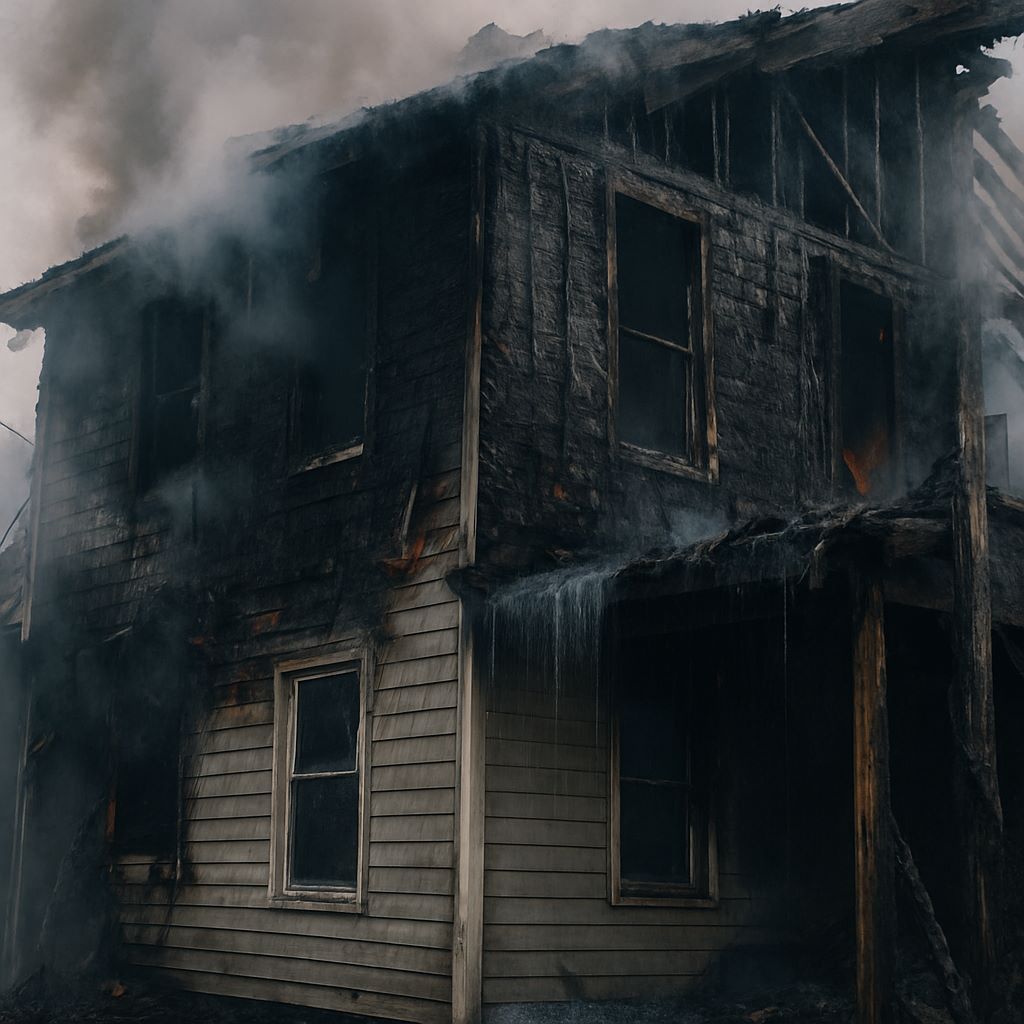
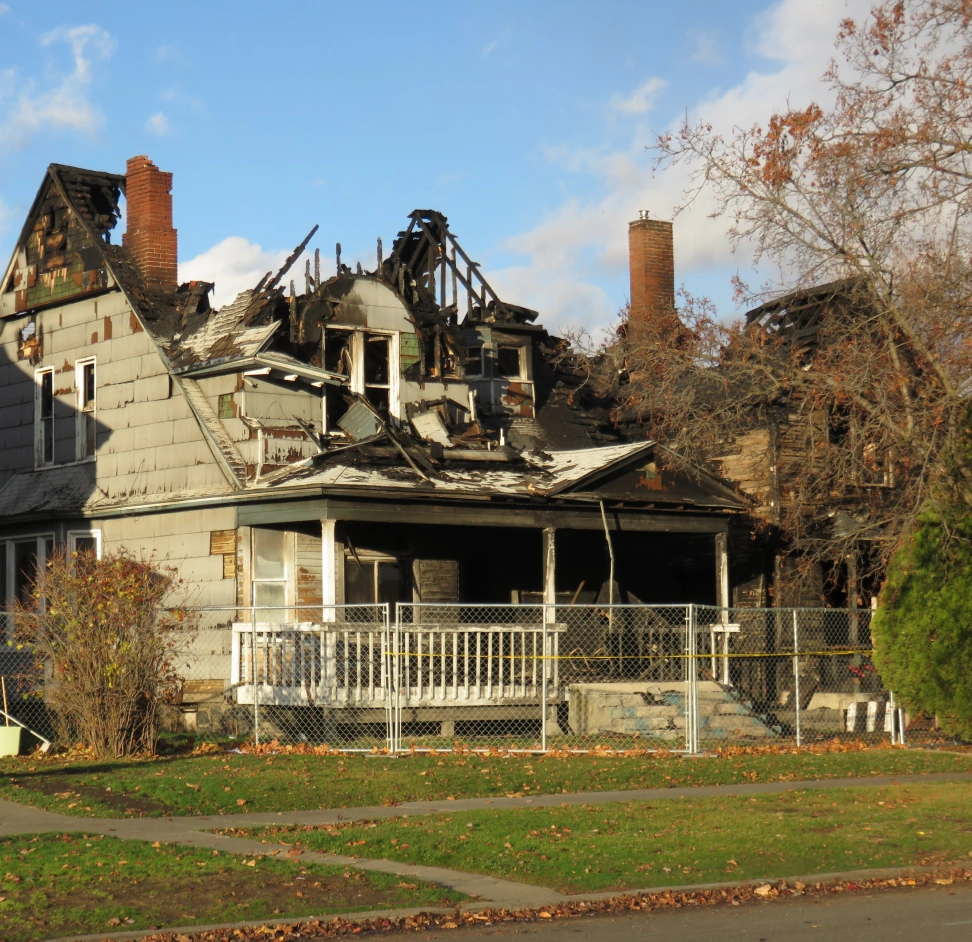
The visible danger may be gone, but the risks inside a fire-damaged home are still very real. Even after the flames are out and the fire trucks have left, the structure itself can remain unstable. What looks like a quiet, smoldering shell may still hide serious threats that could cause injury or make damage worse.
In these early hours, it’s essential to treat the property as a high-risk zone. Think of it like an active construction site—only one that’s been damaged from the inside out. Fire compromises the structural integrity of floors, ceilings, and walls. It also leaves behind toxic air and unpredictable utility systems that may pose ongoing hazards.
- Structural collapse. Rafters weakened by heat or soaked by hoses can buckle without warning.
- Hidden flare‑ups. Embers smolder inside insulation and wall cavities, ready to reignite a house on fire hours later.
- Toxic air. Soot particles, melted plastics, and carbon monoxide linger long after visible smoke clears.
- Compromised utilities. Damaged wires arc; cracked gas lines leak fuel; broken pipes flood rooms you thought were safe.
Because of these risks, do not attempt to re-enter your home until emergency personnel or building officials confirm it is safe to do so. Once you’re cleared to go inside, take every precaution to protect yourself and preserve the condition of your home for the recovery process.
- Turn off gas, electricity and water at the main valves if rescuers have not done so before you.
- Wear an N‑95 respirator, goggles, gloves, and sturdy boots.
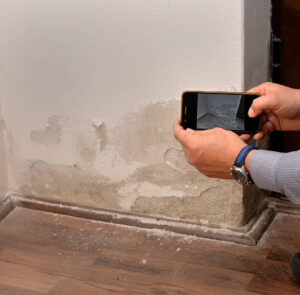
- Move slowly and photograph every room before touching a single item. Images become proof for house fire insurance adjusters, and undisturbed debris preserves the official cause report.
- Post “No Entry” signs and temporary fencing. Additional footprints inside a fragile building add liability and destroy evidence.
Securing the site is essential for more than just safety. It allows investigators to determine the cause of the fire accurately and gives insurance adjusters a clear view of the damage. Preserving the scene helps prevent delays in your claim and reduces the chances of complications later in the recovery process.
First Hours After a House Fire: Priorities That Matter Most
The immediate aftermath of a blaze is about safeguarding people and gathering essentials—not jumping into repairs. These first moves give you breathing room and help prevent small complications from turning into major setbacks. It’s also the moment to set the tone for what comes next: acting calmly and methodically now will ease everything that follows, including your fire damage cleanup and recovery.
A solid checklist for the earliest decisions looks like this:
- Check everyone’s health. Make sure family members, pets, and nearby neighbors are clear of smoke inhalation or injuries that need medical attention.
- Locate critical items. If officials allow brief re‑entry, gather identification, house fire insurance documents, prescription medications, and mobile devices so you can communicate and verify coverage.
- Arrange shelter and basic care. Reach out to friends, relatives, or the Red Cross for post fire emergency resources such as temporary lodging, meals, clothing, and emotional support.
- Notify the neighborhood. Let adjacent homeowners know the fire is contained but that the site remains hazardous; this prevents curious onlookers and keeps everyone at a safe distance.
Once these priorities are handled, reach out to a qualified provider to understand what comes next. A trusted team — such as the one featured in our restoration services — can walk you through essential safety checks, documentation, and planning before fire and smoke damage cleanup begins in earnest.
What You Can Do After the House Fire
While licensed restoration professionals will take care of the structural work, your involvement as a homeowner still matters. The decisions you make in the first 24–48 hours can help avoid delays, reduce unnecessary costs and ensure the recovery process moves forward smoothly. From documenting what’s damaged to managing utility safety and coordinating with your insurance provider, there are key tasks only you can take charge of. The more organized you are now, the more efficient every step of the fire damage cleanup will be.
Try to assess the severity of damage
With permission to enter, create a color‑coded map: red rooms (unsafe), yellow rooms (smoke only), green areas (minor). Tag belongings as “restore,” “donate,” or “total loss.” This list speeds budgeting for fire damage cleaning and sets clear expectations with adjusters.
Contact utility suppliers
Notify Duke Energy, Dominion, Piedmont Natural Gas or municipal water that service is suspended. Schedule safety inspections before reactivation — reactivating power too soon can ignite new fire smoke damage inside walls you thought were saved.
Get in touch with your insurance company
Email copies of lodging, clothing and meal receipts. Ask about “additional living expense” caps, sub‑limits for electronics and coverage for fire damage remediation of HVAC systems. Clarity now prevents out‑of‑pocket surprises later.
Secure property from theft and vandalism
Temporary fencing and motion‑sensor lights deter trespassers. Landlords may hire overnight patrols — looted appliances during commercial fire damage downtime double losses and delay reopening.
Arrange for fire and smoke damage cleanup
Soot embeds deep in fabrics, ductwork and porous wood. Booking professional fire damage cleanup services within 24 hours halts permanent staining and odor. Our technicians handle everything from HEPA vacuuming to fire damage restoration smoke cleanup, detailed on the fire damage restoration page. If an irreplaceable quilt or baby photo album survived, ask about textile ozone chambers and high‑resolution scanning — modern labs rescue heirlooms many people toss too soon.
Lists made, utilities paused, claims updated, cleanup scheduled — that’s the gold standard for day‑one progress.
Why You Need a Professional Water Damage Restoration Service
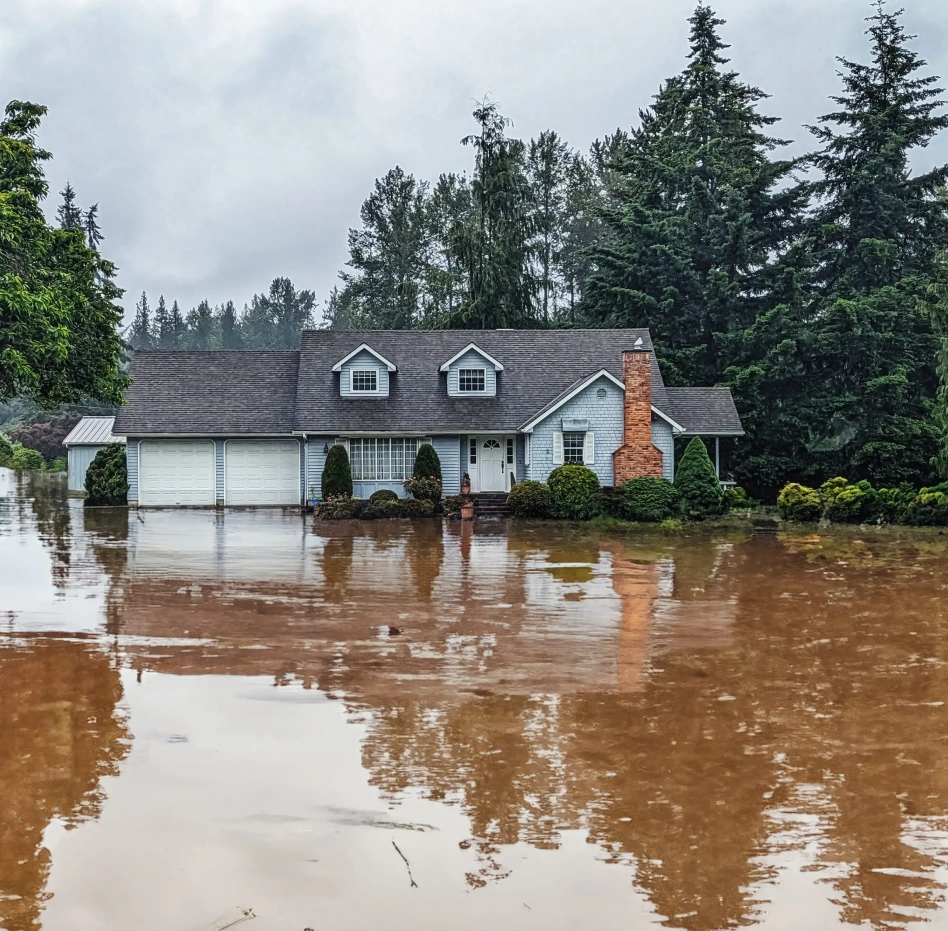
Every gallon firefighters spray saves studs yet soaks everything else. Left alone, moisture morphs fire and smoke damage cleanup into structural rot, warped flooring, and mold that can trigger asthma.
- Industrial extraction beats DIY suction. Truck‑mounted pumps remove hundreds of gallons per hour from crawl spaces and joist bays — vital when you Google “fire damage cleanup near me” and discover consumer shop‑vacs top out at a tenth of that rate.
- Thermal imaging finds stealth moisture. Infrared cameras expose damp beams behind drywall, stopping spores spawned by smoke damage from fire before colonies bloom.
- One vendor, zero headaches. Our teams handle debris removal, drying, odor sealing, and carpentry in a seamless fire cleanup workflow — no juggling multiple fire cleanup services.
- Business continuity matters. Night‑shift crews for commercial fire damage restoration let restaurants serve breakfast only hours after dinner went up in flames.
- Adjuster‑ready data. Daily moisture logs and psychrometric readings satisfy insurers, speeding payouts for fire damage cleanup services and preventing claim disputes months later.
Smoke odor can be even trickier than moisture. Protein fires (think turkey left in a deep fryer) coat ceilings with an invisible lacquer that standard cleaners won’t touch. Learn how hydroxyl generators and dry‑ice blasting wipe out stubborn smells on our smoke damage restoration guide.
Professional drying and deodorizing break the water–mold–odor chain, protecting your home’s skeleton and your family’s lungs.
Conclusion
Standing on the lawn after a house on fire feels like the worst moment of your life, but decisive, informed steps will cut weeks off recovery and thousands off repair bills. Respect barricades, gear up and let professionals contain hazards while you handle photos, calls and claims. Whether you manage a boutique in Charleston or a bungalow in Asheville, East Coast Restoration & Renovation converts a house of fire into a cleaner, safer, fully restored home or business. For round‑the‑clock guidance — boarding, drying or complete fire smoke cleanup — reach our Carolina‑based team anytime through the contact form. The flames are out, the comeback starts now.
Did your property suffer from damage?

Our Services
Fire Damage Restoration
Learn More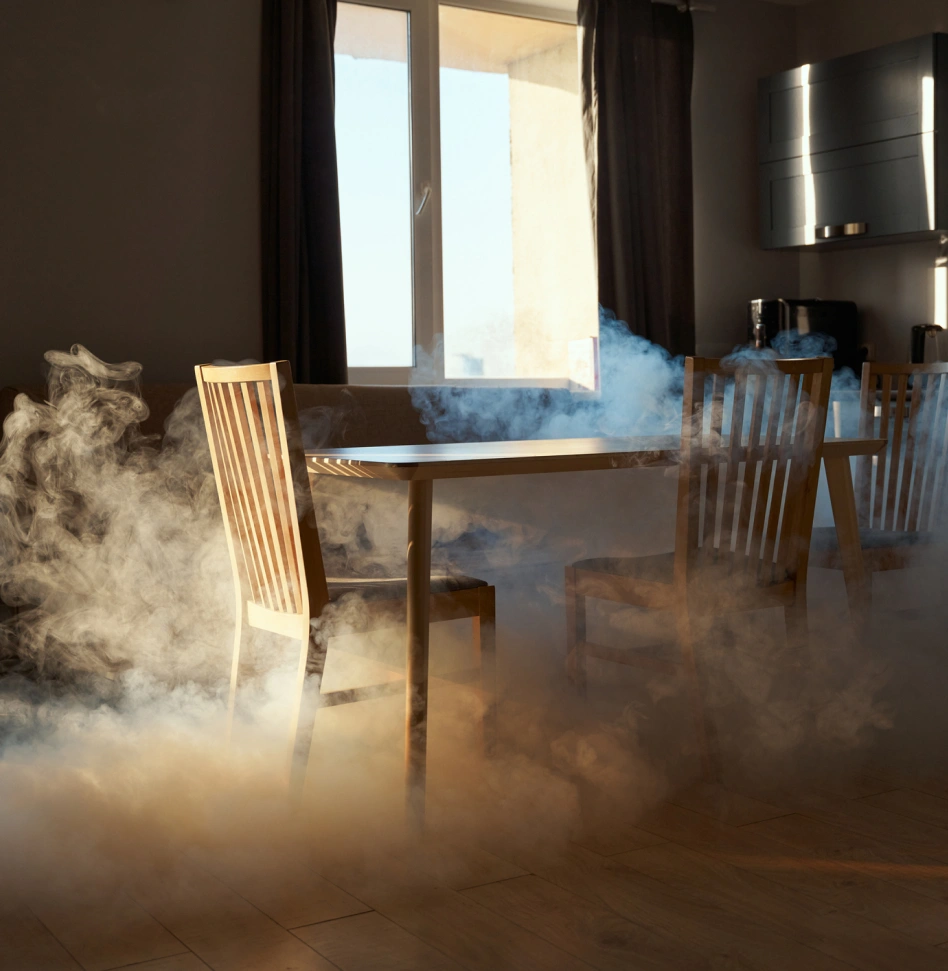
Smoke Damage Restoration
Learn More